The Ultimate Guide to Using Virtual Medical Assistants Effectively
Businesses / Posted 7 months ago by Kashifa Naeem / 125 views
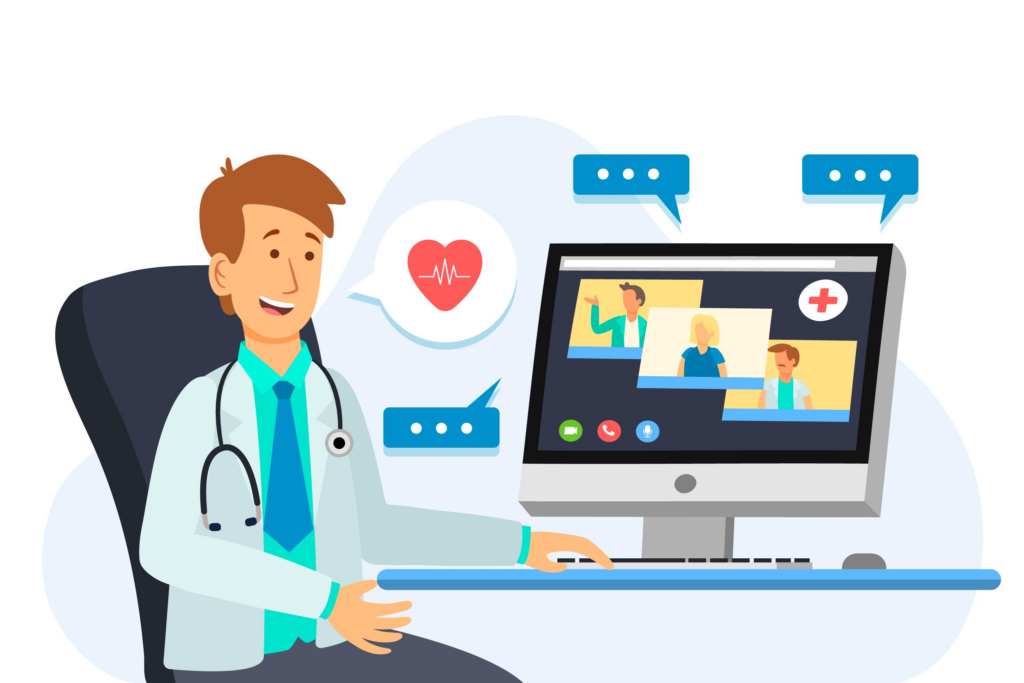
In today’s fast-paced healthcare environment, managing administrative tasks can be overwhelming for clinics, hospitals, and private practices. This is where a Healthcare Virtual Assistant becomes extremely useful, helping professionals save time and focus more on patient care. These remote assistants handle tasks like scheduling, billing, and communication, making healthcare systems more efficient and organized. For students in the United States who are studying healthcare management or administration, understanding how to use virtual assistants effectively is becoming an essential skill.
What is a Virtual Medical Assistant?
A virtual medical assistant is a trained professional who works remotely to support healthcare providers.
They perform non-clinical tasks, allowing doctors and staff to focus on patient treatment.
Why Virtual Medical Assistants Are Important
Healthcare systems are becoming more complex, and administrative work is increasing daily.
Virtual assistants reduce workload, improve efficiency, and help maintain accurate records.
Key Responsibilities of Virtual Medical Assistants
Virtual medical assistants manage many daily operations in a healthcare setting.
Their tasks ensure smooth workflow and better patient experiences.
- Appointment scheduling
- Patient follow-ups
- Medical billing and coding
- Insurance verification
- Data entry and record management
Benefits of Using Virtual Medical Assistants
Using virtual assistants offers multiple advantages for healthcare providers.
They help reduce stress and improve productivity in a cost-effective way.
- Saves time and money
- Reduces staff burnout
- Improves patient communication
- Increases accuracy in documentation
How to Choose the Right Virtual Medical Assistant
Choosing the right assistant is important for success.
You should consider skills, experience, and communication abilities.
Look for someone who:
- Has knowledge of medical terminology
- Understands healthcare software
- Has good communication skills
- Can maintain patient confidentiality
Training and Onboarding Process
Proper training ensures that the assistant understands your system.
Onboarding helps them adapt quickly to your workflow.
Provide:
- Clear instructions and guidelines
- Access to necessary tools
- Training sessions on software
- Regular feedback and support
Best Practices for Effective Communication
Good communication is key to working with a virtual assistant.
It helps avoid misunderstandings and improves efficiency.
- Use clear and simple language
- Set expectations from the beginning
- Schedule regular meetings
- Use communication tools like email or chat apps
Using Technology to Enhance Productivity
Technology plays a major role in virtual healthcare support.
Using the right tools can make work faster and easier.
Some useful tools include:
- Electronic Health Records (EHR) systems
- Scheduling software
- Video conferencing platforms
- Task management apps
Ensuring Data Security and Privacy
Patient information must always be protected.
Virtual assistants should follow strict security guidelines.
- Use secure systems and passwords
- Follow HIPAA regulations
- Limit access to sensitive data
- Regularly update security protocols
Managing Time and Tasks Efficiently
Time management is essential for productivity.
Virtual assistants help organize tasks and prioritize work.
- Create daily task lists
- Set deadlines
- Track progress regularly
- Avoid multitasking overload
Common Challenges and How to Overcome Them
Working with virtual assistants may have some challenges.
However, these can be managed with proper planning.
- Communication gaps → Use regular check-ins
- Technical issues → Provide training and support
- Time zone differences → Set fixed schedules
The Role of a spanish virtual assistant in Healthcare
In a diverse country like the United States, language can be a barrier in healthcare communication.
A spanish virtual assistant helps bridge this gap by assisting Spanish-speaking patients and improving service quality.
They can:
- Translate patient information
- Communicate with Spanish-speaking families
- Improve patient satisfaction
- Support inclusive healthcare services
How Students Can Benefit from Learning This Skill
Students studying healthcare or business administration can gain valuable skills.
Understanding virtual assistant systems prepares them for future careers.
- Improves technical knowledge
- Enhances communication skills
- Increases job opportunities
- Builds management experience
Future of Virtual Medical Assistants
The demand for virtual medical assistants is growing rapidly.
Technology and remote work trends are shaping the future of healthcare.
In the coming years:
- More tasks will be automated
- AI tools will assist virtual assistants
- Remote healthcare services will expand
- Job opportunities will increase
Tips for Maximizing Efficiency
To get the best results, healthcare providers must use virtual assistants wisely.
Small improvements can lead to big results.
- Set clear goals
- Monitor performance
- Provide continuous training
- Encourage teamwork
Conclusion
Virtual medical assistants are transforming the healthcare industry in a powerful way.
They help reduce workload, improve efficiency, and enhance patient care.
By using them effectively, healthcare providers can achieve better results.
For students, learning about this system opens doors to future career success.
- Listing ID: 83178
- Country: USA
- City: california