Introduction
Modern manufacturing is constantly evolving to meet the growing demand for complex and high precision components. Industries today require parts that are not only accurate but also efficient to produce. This is where rotary axis machining becomes an important solution. It allows manufacturers to create detailed components with better control and consistency.
In traditional machining, multiple setups are often required to complete a single part. This increases the chances of errors and extends production time. With rotary systems, components can be machined from multiple angles in a single setup, improving both accuracy and efficiency. Understanding this process helps industries reduce production challenges and maintain quality standards.
Understanding Rotary Axis Machining
Rotary axis machining is an advanced machining process where the workpiece rotates along an additional axis during cutting operations. This rotation allows the cutting tool to access multiple sides of a component without manual repositioning.
Unlike basic machining methods, rotary systems provide better flexibility and precision. They are commonly used in applications where complex geometries and multi side operations are required.
Key characteristics include:
- Multi direction machining capability
- Reduced need for manual repositioning
- Improved dimensional accuracy
- Faster production cycles
- Better surface finish
These features make rotary machining highly suitable for modern industrial requirements.
Challenges in Conventional Machining
Before adopting advanced machining techniques, many manufacturers relied on traditional setups. While effective for simple tasks, these methods had several limitations:
- Frequent repositioning of components
- Increased setup time
- Higher risk of alignment errors
- Difficulty in machining complex shapes
- Inconsistent results in batch production
Such challenges often resulted in higher production costs and reduced efficiency. Rotary axis machining helps overcome these issues by introducing controlled movement and automation.
Advantages of Rotary Axis Machining
The use of rotary systems has transformed how complex components are manufactured. It offers several advantages that directly impact production quality and speed.
1. Enhanced Precision
The ability to machine multiple sides in one setup reduces alignment errors, resulting in higher accuracy.
2. Improved Efficiency
Less manual intervention means faster production and reduced downtime.
3. Complex Geometry Handling
Rotary machining allows the creation of intricate shapes that are difficult to achieve with traditional methods.
4. Consistent Output
Automated processes ensure that each component meets the same quality standards.
5. Reduced Material Waste
Better control over cutting operations minimizes unnecessary material removal.
Industrial Applications
Rotary machining is widely used across various industries due to its versatility and precision.
Automotive Sector
Used for manufacturing precision components such as shafts and rotating parts.
Aerospace Industry
Supports the production of complex and high tolerance components.
Textile Machinery
Helps in producing rollers and cylindrical components used in fabric processing systems.
General Engineering
Used for custom components and machine parts requiring detailed machining.
Selecting the Right Machining Partner
Choosing the right machining facility plays a crucial role in achieving desired results. Businesses should evaluate several factors before finalizing a partner.
Technical Capability
Ensure the facility has advanced rotary axis systems and modern CNC machines.
Experience
A company with industry experience can better handle complex requirements.
Quality Assurance
Consistent inspection processes help maintain precision and reduce defects.
Customization Support
The ability to handle unique designs and prototypes adds flexibility.
Delivery Efficiency
Timely project completion is essential for maintaining production schedules.
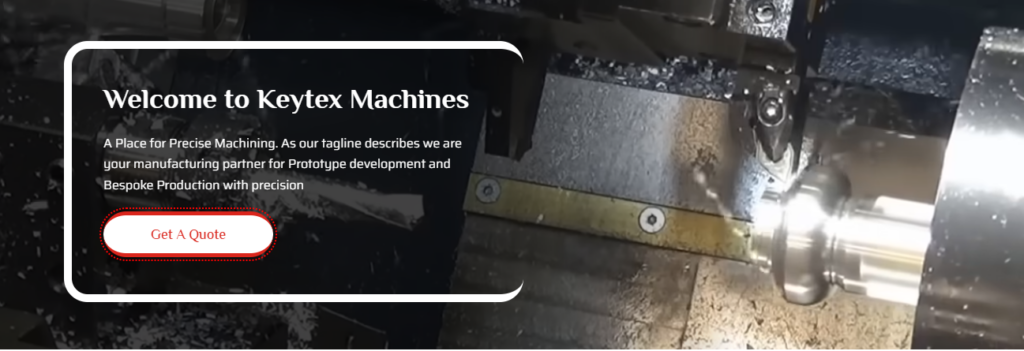
For example, manufacturers exploring reliable machining solutions can review professional setups like <a href=”https://www.keytexmachines.com/rotary-axis-machining/”>keytexmachine</a> to understand how structured rotary machining processes are implemented in industrial environments.
Future Trends in Rotary Machining
As technology advances, rotary machining continues to evolve. New developments are improving both efficiency and capability.
Some notable trends include:
- Integration with smart manufacturing systems
- Real time monitoring of machining performance
- Advanced tooling for longer durability
- Improved software for precise programming
- Increased automation in production processes
These advancements are helping manufacturers achieve better productivity and accuracy.
Conclusion
Rotary axis machining has become an essential part of modern manufacturing due to its ability to deliver precision, efficiency, and flexibility. It addresses the limitations of traditional machining methods and supports the production of complex components with ease.
By understanding its benefits and applications, businesses can make informed decisions when selecting machining solutions. As industries continue to demand higher accuracy and faster production, rotary machining will remain a key technology in achieving these goals.
In a competitive industrial environment, adopting advanced machining techniques is crucial for maintaining quality and efficiency. Solutions provided by companies like keytexmachine demonstrate how structured processes and modern technology can support precision driven manufacturing.