
Pre Drywall Inspections: A Complete Guide for Homeowners
Businesses / Posted 2 months ago by Cornerstone Inspection Services, PLLC / 55 views
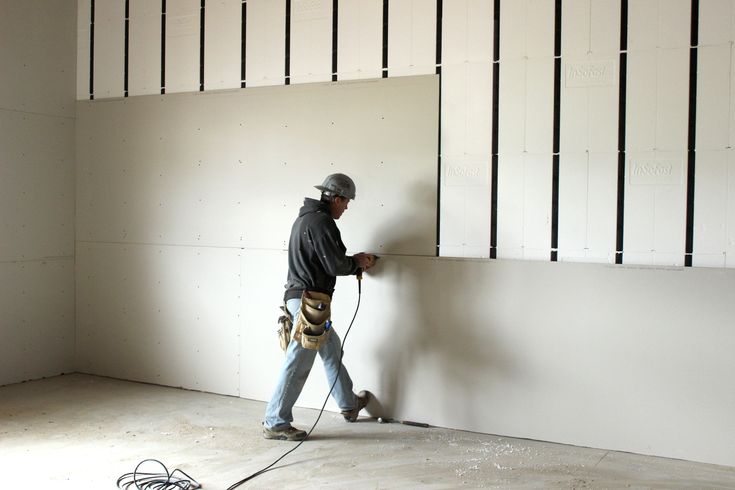
Building a new home involves many important stages, and each step affects the quality, safety, and long term condition of the property. One of the most valuable steps during construction is a pre drywall inspection. This inspection takes place after the major systems are installed but before the walls are covered with drywall. It gives homeowners a chance to identify issues that may become difficult or costly to repair later.
A pre drywall inspection helps check areas that will soon become hidden, including electrical wiring, plumbing lines, insulation, framing, and other parts of the structure. Finding problems before drywall installation allows builders to correct them early and helps ensure the home meets expected standards.
What Is a Pre Drywall Inspection?
A pre drywall inspection is a detailed review of a newly built home before drywall is installed. During this stage, the structure is open, which allows an inspector to view important components that will soon be covered.
The inspection focuses on the quality of the construction work and checks whether installed systems are placed correctly. It does not replace city inspections, but it provides an additional review from a professional home inspector who looks for possible concerns.
This inspection usually happens after the framing, plumbing, electrical, and HVAC systems are in place. Since these areas will become hidden behind walls, this is one of the best times to find mistakes.
A pre drywall inspection can help homeowners understand the condition of their future home and address concerns before the construction process moves forward.
Why Are Pre Drywall Inspections Important?
Many problems inside a home are difficult to notice after drywall covers the walls. A small mistake with wiring, plumbing, or framing can lead to expensive repairs after the home is finished.
A pre drywall inspection helps protect homeowners by identifying issues early. It gives builders the opportunity to fix problems before they affect the final structure.
Some key benefits of a pre drywall inspection include:
• It allows inspectors to examine hidden areas before they become inaccessible.
• It helps identify construction mistakes before they become major repair issues.
The inspection also gives homeowners more confidence during the building process. Instead of waiting until the final walkthrough, they can address concerns while changes are still easier to make.
What Does a Pre Drywall Inspection Cover?
A professional pre drywall inspection covers several important parts of the home. The goal is to review the work completed before the interior walls are closed.
Framing Inspection
The framing creates the basic structure of the home. An inspector checks walls, beams, support areas, and other framing components to make sure they appear properly installed.
Issues with framing can affect the strength and overall condition of the home. The inspector looks for signs of poor workmanship, damage, or areas that may need correction.
Electrical System Review
Electrical wiring is one of the most important areas checked during a pre drywall inspection. Once drywall is installed, access to wiring becomes limited.
The inspector reviews the placement of electrical wiring, outlets, switches, and electrical boxes. They also check for visible concerns that may affect safety or function.
Plumbing Inspection
Plumbing lines are another major part of the inspection. Water pipes, drain lines, and connections are checked before they are covered.
Leaks or incorrect installations can cause water damage, mold growth, and expensive repairs. Finding these problems early makes repairs easier and less disruptive.
HVAC System Inspection
Heating and cooling systems are reviewed during this stage as well. The inspector checks visible ductwork, system installation areas, and other accessible components.
Proper HVAC installation supports better comfort and energy use after the home is completed.
Insulation Review
Insulation plays an important role in indoor comfort and energy efficiency. A pre drywall inspection checks whether insulation appears properly installed and placed in the correct areas.
Poor insulation installation can lead to uneven temperatures and higher energy costs.
When Should a Pre Drywall Inspection Be Completed?
The best time for a pre drywall inspection is after the major systems are installed but before drywall installation begins. This timing allows the inspector to see areas that will soon become hidden.
Homeowners should schedule the inspection before the builder covers the walls. Waiting too long can limit what the inspector can review.
The inspection timing may vary depending on the construction schedule. Homeowners should communicate with their builder to know when the home reaches the right stage.
Common Problems Found During Pre Drywall Inspections
Pre drywall inspections near you often find issues that may not be visible during later stages of construction. These problems can range from minor corrections to larger concerns.
Common findings include:
• Improperly installed plumbing connections or visible leaks.
• Incorrect electrical wiring placement or missing components.
• Framing problems that affect wall alignment or structure.
• Missing or poorly installed insulation.
• Issues with ductwork installation.
Many of these problems are easier and less expensive to correct before drywall is installed. Early detection helps prevent delays and future repair costs.
How Does a Pre Drywall Inspection Benefit New Home Buyers?
Buying a newly built home does not always mean every detail is completed perfectly. Construction involves many workers, materials, and systems, which creates opportunities for mistakes.
A pre drywall inspection gives buyers another layer of protection. It provides an independent review of the construction work before the home reaches completion.
The inspection report can also help homeowners communicate concerns with the builder. A detailed report creates a record of issues that need attention before the project moves forward.
For homeowners building a custom home, this inspection is especially useful because it allows them to monitor the quality of work throughout construction.
What Happens After a Pre Drywall Inspection?
After completing the inspection, the homeowner receives information about any concerns found during the review. The builder can then address these issues before continuing with drywall installation.
The next steps usually include:
• Reviewing the inspection findings with the builder.
• Confirming that needed repairs or corrections are completed.
Once the corrections are made, construction can continue. This process helps create a stronger foundation for the final stages of the home building project.
How to Prepare for a Pre Drywall Inspection
Homeowners can make the inspection process easier by staying involved and communicating with their builder.
Before scheduling the inspection, homeowners should confirm that the home has reached the correct construction stage. They should also ask the builder about access to the property and any safety requirements.
Keeping construction documents available can also help the inspector understand the planned systems and features of the home.
A prepared inspection allows the inspector to focus on important details and provide a more complete review.
FAQs About Pre Drywall Inspections
1. What is the purpose of a pre drywall inspection?
The purpose of a pre drywall inspection is to review important parts of a home before they are covered by drywall. It helps identify construction issues with systems like plumbing, electrical wiring, framing, and insulation.
2. Is a pre drywall inspection required?
A pre drywall inspection is usually not required by law, but many homeowners choose to schedule one because it provides an additional review of the construction quality before walls are closed.
3. How long does a pre drywall inspection take?
The time needed depends on the size and complexity of the home. Most inspections take a few hours because the inspector reviews many areas of the property.
4. Can a pre drywall inspection find plumbing leaks?
Yes. A pre drywall inspection can identify visible plumbing concerns, including improper connections and signs of leaks before pipes become hidden.
5. Should I get a pre drywall inspection for a new construction home?
Yes. A new construction home can still have mistakes or incomplete work. A pre drywall inspection helps find issues early and gives homeowners a chance to request corrections.
6. Who performs a pre drywall inspection?
A qualified home inspector with experience in new construction inspections typically performs a pre drywall inspection. The inspector reviews the visible parts of the home and provides a detailed report.
Conclusion
A pre drywall inspection in Katy, TX is an important step in the new home construction process. It allows homeowners to check important systems before walls cover them and helps identify problems while repairs are still easier to complete. Reviewing framing, electrical work, plumbing, HVAC systems, and insulation can improve the quality and safety of the finished home.
Homeowners looking for reliable inspection services can choose Cornerstone Inspection Services, PLLC, the best company that provides pre drywall inspections in Katy, TX and its surrounding areas. Their inspection services help homeowners make informed decisions and understand the condition of their property before construction moves forward.
- Listing ID: 103198
- Country: USA