
Physiotherapy in Maple Ridge: Supporting Movement, Recovery, and Everyday Function
Businesses / Posted 2 months ago by golden maple physiotherapy / 50 views
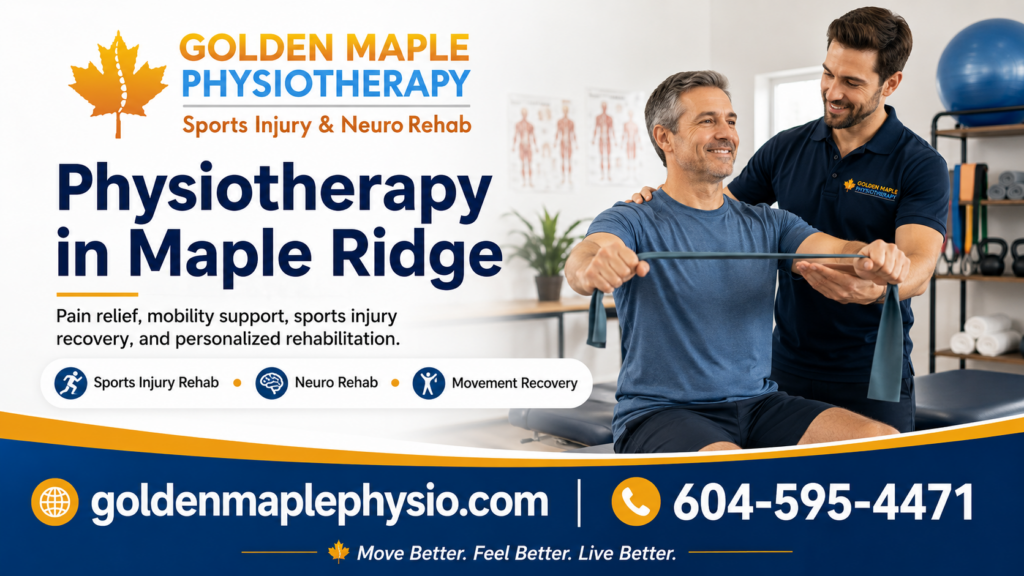
Understanding Physiotherapy in Maple Ridge
Physiotherapy in Maple Ridge helps people manage pain, restore movement, rebuild strength, and return to their normal routines after an injury, illness, surgery, or physical setback. Treatment is not limited to temporary pain relief. It focuses on identifying the factors contributing to discomfort and creating a structured recovery plan based on the person’s condition, mobility, lifestyle, and functional goals.
Pain and restricted movement can develop for many reasons. Some people experience sudden injuries from sports, work, falls, or accidents, while others gradually develop stiffness due to posture, repetitive movements, arthritis, or reduced physical activity. A physiotherapy assessment helps determine which joints, muscles, nerves, or movement patterns may be involved.
During an initial assessment, the physiotherapist may review:
- The location, intensity, and duration of the symptoms
- Activities or movements that increase discomfort
- Previous injuries, surgeries, and medical conditions
- Joint mobility, muscle strength, balance, and flexibility
- Work duties, exercise habits, and daily activities
- The individual’s personal recovery goals
Based on these findings, a treatment plan may include therapeutic exercises, manual therapy, movement retraining, education, and gradual activity progression. The plan can be adjusted as the person’s strength, confidence, and physical function improve.
Physiotherapy may support people experiencing back pain, neck discomfort, shoulder restrictions, knee problems, joint stiffness, muscle strains, balance difficulties, or reduced mobility after surgery. It can also help individuals understand how to manage their condition safely between appointments.
Rehabilitation for Sports, Work, and Daily Activities
A successful rehabilitation program should reflect the physical demands a person faces in everyday life. Someone returning to an office job may need support with posture, neck movement, and prolonged sitting. A construction worker may need to rebuild lifting capacity, balance, and whole-body strength. An athlete may require a more detailed program involving speed, coordination, power, and sport-specific movements.
People recovering from physical activity-related problems may consult a sports injury physiotherapist in maple ridge for conditions such as ankle sprains, knee injuries, shoulder strains, tendon irritation, muscle tears, or overuse discomfort. The rehabilitation process usually begins with controlling symptoms and protecting the injured area before gradually restoring movement and strength.
A structured recovery plan may progress through several stages:
- Reducing pain, swelling, and irritation
- Restoring comfortable joint movement
- Activating weakened or inhibited muscles
- Improving flexibility, strength, and control
- Reintroducing functional and sport-related movements
- Testing readiness before returning to full activity
Proper progression is important because returning too quickly may place excessive stress on healing tissues. On the other hand, avoiding movement for too long may contribute to weakness, stiffness, and reduced confidence. Physiotherapists help patients find an appropriate balance between protection and gradual activity.
A program for sports injury rehab Maple Ridge may include strength exercises, balance drills, mobility work, landing practice, running progression, and guidance on workload management. The exact exercises will depend on the injury, healing stage, activity level, and the demands of the sport.
Physiotherapy can also support recovery from workplace and daily activity injuries. Repetitive lifting, prolonged standing, computer use, driving, or awkward working positions can place stress on the body. Rehabilitation may therefore include ergonomic advice, pacing strategies, movement corrections, and exercises that prepare the individual for specific tasks.
Home exercises are often an essential part of treatment. Completing them consistently can help maintain progress between appointments. However, exercises should be performed with the recommended technique and frequency. Doing too much too soon or using incorrect form may increase irritation rather than improve recovery.
Building Strength and Preventing Re-Injury
Rehabilitation does not end when pain begins to decrease. Pain relief is an important milestone, but it does not always mean that the affected area has regained full strength, mobility, or tolerance. Continuing the rehabilitation process can help reduce the likelihood of recurring problems.
A person receiving sports physiotherapy treatment in maple ridge may work on weaknesses or movement patterns that contributed to the original injury. For example, recurring knee discomfort may be associated with reduced hip strength, poor landing control, limited ankle mobility, or sudden increases in training intensity. Addressing these factors creates a more complete approach than focusing only on the painful area.
Preventive rehabilitation may include:
- Strengthening muscles that support vulnerable joints
- Improving balance, coordination, and body awareness
- Increasing mobility in restricted areas
- Practising safe lifting, running, or landing techniques
- Planning gradual increases in exercise intensity
- Using warm-up and recovery strategies appropriately
- Recognising early warning signs of overuse
Athletes searching for sports physio maple ridge services may require guidance that connects clinical rehabilitation with the demands of their chosen activity. A runner may need a gradual return-to-running schedule, while a soccer player may require cutting, sprinting, and direction-change drills. A swimmer may need shoulder endurance and movement control, and a weightlifter may need support with technique and load progression.
Communication also plays an important role in recovery. Patients should feel comfortable discussing changes in pain, concerns about movement, difficulties with exercises, and barriers affecting their progress. This information allows the physiotherapist to modify the treatment plan when necessary.
Recovery timelines vary. The type and severity of the condition, general health, sleep, stress, activity demands, and consistency with treatment can all influence progress. Comparing one person’s recovery with another may create unnecessary frustration. A more useful approach is to monitor individual improvements in movement, strength, confidence, and daily function.
Frequently Asked Questions
What conditions can physiotherapy help manage?
Physiotherapy may help manage muscle strains, joint stiffness, back and neck pain, tendon problems, sports injuries, posture-related discomfort, balance difficulties, and reduced movement after surgery. Suitability depends on the individual’s symptoms and medical history.
Do I need to be in severe pain before seeing a physiotherapist?
No. Physiotherapy can be considered when pain, stiffness, weakness, or reduced mobility begins to interfere with work, exercise, sleep, or daily activities. Early assessment may help identify movement limitations before they become more difficult to manage.
What happens during the first physiotherapy appointment?
The physiotherapist will usually discuss your symptoms, medical history, daily activities, and recovery goals. They may then assess movement, strength, flexibility, balance, and functional tasks before explaining the findings and recommended treatment plan.
How long does physiotherapy treatment take?
The duration depends on the condition, its severity, how long it has been present, and the person’s response to treatment. Some minor problems improve within a few sessions, while post-surgical or complex injuries may require a longer rehabilitation period.
Will I receive exercises to complete at home?
Many treatment plans include home exercises. These exercises reinforce the work completed during appointments and help improve mobility, strength, and physical tolerance. They should be followed according to the physiotherapist’s instructions.
Is physiotherapy only for athletes?
No. Physiotherapy supports people of different ages and activity levels. It may help office workers, older adults, active individuals, people recovering after surgery, and anyone experiencing physical limitations that affect daily life.
Can I continue exercising while attending physiotherapy?
In many cases, activity can continue with suitable modifications. Your physiotherapist may recommend reducing certain movements, changing intensity, or temporarily replacing exercises that aggravate the condition. The goal is often to remain active without delaying recovery.
How can I reduce the risk of another injury?
Following the full rehabilitation plan, maintaining strength and flexibility, increasing activity gradually, using suitable technique, and responding early to recurring symptoms may help reduce re-injury risk.
Conclusion
Physiotherapy provides a structured pathway for restoring movement, improving strength, managing discomfort, and returning to meaningful daily activities. Proper rehabilitation requires patience, consistent exercise, clear communication, and realistic progression rather than focusing only on immediate symptom relief.
Counselling or emotional guidance may also help individuals manage fear, frustration, or reduced confidence during a longer recovery. Encouragement from family members can make it easier to follow exercises, attend appointments, and remain motivated. With professional guidance, family support, and a continued commitment to recovery, individuals can work toward safer movement, greater independence, and improved long-term function.
For more details :
goldenmaple physiotherapy
goldenmaplephysio.com
604-595-4471
#PhysiotherapyInMapleRidge #MapleRidgePhysiotherapy #GoldenMaplePhysiotherapy #SportsPhysiotherapy #SportsInjuryRehab #InjuryRecovery #PainManagement #PhysicalRehabilitation #MobilityRecovery #MovementTherapy #MuscleRecovery #JointPainRelief #ActiveRehabilitation #ReturnToSport #MapleRidgeBC
- Listing ID: 102973
- Country: Canada
- City: Maple Ridge