
LEDs provide better light quality
Businesses / Posted 8 months ago by Aaron Mcleod / 141 views
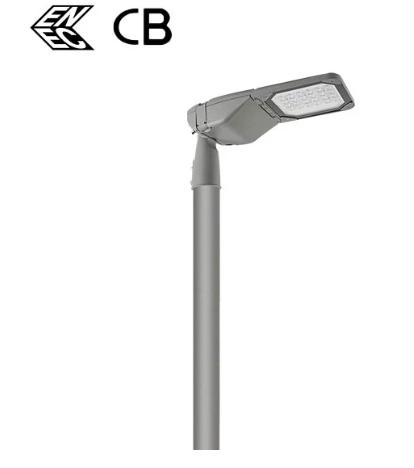
Industrial lighting has evolved dramatically over the past two decades. What was once a basic utility—simply illuminating large spaces—has become a strategic investment that influences productivity, safety, operational efficiency, and sustainability. Today’s industrial facilities demand lighting systems that are durable, intelligent, and energy-efficient, capable of supporting complex workflows in warehouses, manufacturing plants, logistics hubs, and heavy-duty production environments.
From Conventional to LED Dominance
Historically, industrial spaces relied on metal halide, high-pressure sodium (HPS), and fluorescent lighting systems. While effective in their time, these technologies came with significant drawbacks: high energy consumption, long warm-up times, frequent maintenance, and inconsistent light quality.
The widespread adoption of LED (light-emitting diode) technology has fundamentally transformed industrial lighting. LEDs consume up to 60–70% less energy than traditional systems while offering significantly longer lifespans—often exceeding 50,000 hours. This longevity reduces maintenance interruptions, which is particularly critical in high-ceiling facilities where lift equipment and downtime add substantial cost.
Beyond efficiency, LEDs provide better light quality. Higher color rendering index (CRI) values allow workers to distinguish colors accurately, which is essential in manufacturing, quality control, and assembly tasks. Instant-on capability also eliminates the warm-up delay associated with older discharge lamps, improving responsiveness in facilities that rely on motion-activated lighting systems.
Enhancing Workplace Safety
Lighting is directly tied to workplace safety. Poor visibility contributes to accidents, material handling errors, and operational inefficiencies. In industrial environments where heavy machinery, forklifts, and moving parts are common, consistent and uniform lighting is essential.
Modern high-bay LED fixtures deliver uniform illumination across large floor areas, minimizing shadows and dark spots. This reduces eye strain and improves situational awareness. Facilities that upgrade to well-designed lighting layouts often report fewer incidents and improved worker comfort.
In hazardous locations—such as chemical plants, oil refineries, and grain processing facilities—explosion-proof and vapor-tight fixtures are necessary. These luminaires are designed to prevent ignition of flammable gases or dust, ensuring compliance with safety regulations while maintaining reliable illumination under extreme conditions.
Smart Lighting and Industrial IoT Integration
The next frontier in industrial lighting lies in smart control systems. Integrated sensors, wireless connectivity, and centralized management platforms enable facilities to move beyond static lighting to dynamic, data-driven solutions.
Occupancy sensors ensure that lights operate only when needed, reducing wasted energy in low-traffic zones. Daylight harvesting systems automatically dim fixtures when sufficient natural light is available, maintaining consistent illumination while lowering electricity usage.
More advanced systems integrate with Industrial Internet of Things (IIoT) platforms. Facility managers can monitor energy consumption, predict maintenance needs, and adjust lighting schedules remotely. This level of control transforms lighting from a passive infrastructure component into an active contributor to operational efficiency.
Sustainability and Cost Considerations
Energy efficiency is not merely an environmental concern—it is a financial strategy. Lighting can account for a substantial portion of a facility’s electricity usage. Upgrading to LED systems with intelligent controls often yields payback periods of two to three years, depending on facility size and operating hours.
Additionally, many regions offer utility rebates and incentives for energy-efficient retrofits, further reducing upfront costs. Reduced carbon emissions and lower energy consumption also support corporate sustainability goals and environmental compliance standards.
Designing for Performance
Effective industrial lighting design requires more than selecting high-lumen fixtures. Factors such as mounting height, beam angle, reflectance of surfaces, task-specific lux requirements, and glare control must be carefully evaluated. A properly engineered lighting plan ensures that illumination levels meet industry standards while optimizing fixture placement and minimizing energy use.
As industrial operations become increasingly automated and precision-driven, lighting systems must evolve accordingly. Today’s industrial lighting is smarter, more efficient, and more integral to productivity than ever before. Organizations that treat lighting as a strategic asset—rather than a basic utility—position themselves for improved safety, lower costs, and long-term operational resilience.
- Listing ID: 79362
- Country: USA