
Laos Travel Guide 2026: Temples, Mountains, Local Life & Visa Tips
Posted 1 day ago by Eservice network / 7 views / New
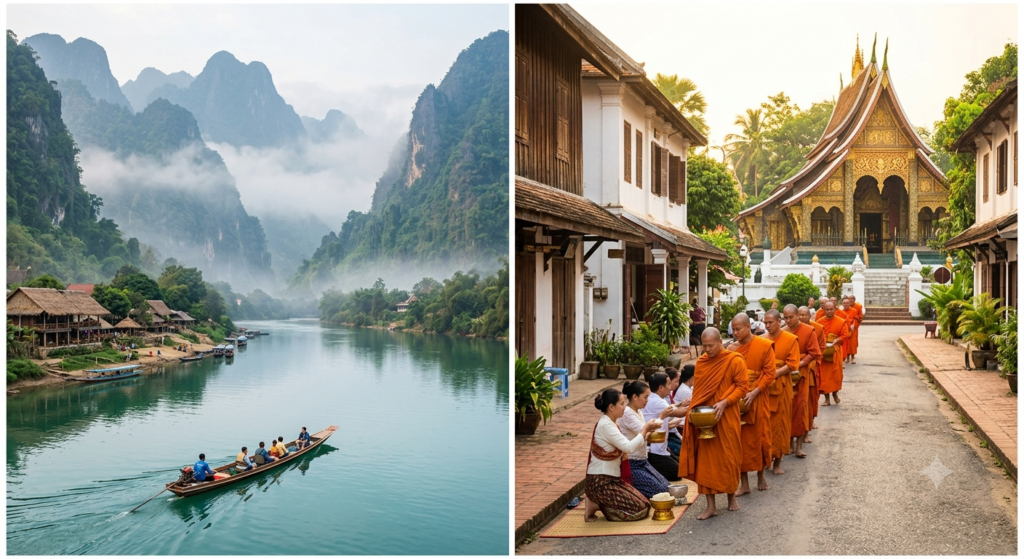
Laos offers a unique combination of ancient temples, green mountains, peaceful rivers, traditional villages, and welcoming local communities. For travelers who want to experience Southeast Asia at a relaxed pace, Laos provides opportunities to explore historic towns, enjoy nature, discover local food, and learn about long-standing traditions.
From the spiritual atmosphere of Luang Prabang to the mountain scenery of northern Laos, every region offers something different. Before planning the journey, however, international visitors should understand the applicable Laos visa requirements and check whether they qualify for an electronic visa.
This guide introduces Laos through its temples, mountains, local lifestyle, food, travel experiences, and useful information about the Laos eVisa process.
What Makes Laos Different?
Laos has retained much of its traditional character while developing its tourism infrastructure. Instead of focusing only on large cities and busy attractions, travelers can discover small communities, quiet riverside locations, historic temples, and rural landscapes.
Some of the reasons to explore Laos include:
- Historic Buddhist temples
- Mountain villages
- Mekong River landscapes
- Traditional handicrafts
- Local food markets
- Scenic waterfalls
- Outdoor adventures
- Relaxed travel experiences
The country is particularly interesting for travelers who want to combine sightseeing with cultural exploration.
Discover the Temples of Laos
Religious architecture is one of the most recognizable parts of Laos. Temples can be found in cities, towns, and villages throughout the country.
1. Wat Xieng Thong in Luang Prabang
Wat Xieng Thong is one of Luang Prabang’s best-known historic temples. Its architecture and decorative details reflect traditional Lao design.
Visitors can spend time observing the temple buildings, artistic details, and surrounding religious structures while learning more about the cultural heritage of the city.
2. Wat Sisaket in Vientiane
Vientiane is home to several historic religious sites, including Wat Sisaket.
The temple is known for its distinctive architecture and large collection of Buddha images. It offers visitors an opportunity to explore an important part of the capital’s cultural heritage.
3. Pha That Luang
Pha That Luang is an important national monument in Vientiane and one of the most recognizable landmarks in Laos.
The large golden stupa has strong cultural and religious significance and is an important stop for travelers exploring the capital.
Explore the Mountains of Laos
Beyond the temples, Laos is known for dramatic mountain landscapes.
Luang Namtha
Luang Namtha in northern Laos is surrounded by forests and mountains. It is an interesting destination for travelers who enjoy trekking and rural experiences.
Visitors can explore countryside trails, discover local communities, and learn about traditional lifestyles.
Phongsaly
Phongsaly offers a quieter northern Laos experience. The mountainous landscape and traditional villages make the province appealing to travelers interested in hiking and cultural exploration.
Vang Vieng
Vang Vieng combines mountain scenery with outdoor activities. Limestone formations surround the town, creating opportunities for hiking, kayaking, cycling, and cave exploration.
The surrounding countryside also provides beautiful views for photographers.
Experience Local Life in Laos
One of the most rewarding parts of traveling through Laos can be seeing how local communities live.
Visit Rural Villages
Village visits can provide insight into traditional homes, farming practices, handicrafts, and community life.
Travelers should always behave respectfully and follow local guidance when visiting communities.
Explore Morning Markets
Local markets are excellent places to see everyday life. Fresh vegetables, fruits, spices, textiles, snacks, and handmade products are commonly found in different markets.
Early morning visits can provide a particularly lively atmosphere.
Discover Traditional Weaving
Textile production is an important part of Lao handicraft traditions. Different regions have their own designs, patterns, and techniques.
Travelers can find handmade textiles and clothing in markets and artisan shops.
Traditional Lao Food
Food provides another way to understand local culture.
Sticky Rice
Sticky rice is a staple food in Laos and is commonly served alongside other dishes.
Laap
Laap is a traditional Lao dish prepared in different ways depending on the region and ingredients.
Green Papaya Salad
Known locally as tam mak hoong, this spicy salad combines green papaya with seasonings and other ingredients.
Grilled Fish
Fresh grilled fish is popular in areas near rivers and can be found in many local restaurants and markets.
Trying regional dishes can make a Laos trip more enjoyable while introducing travelers to different local flavors.
Outdoor Adventures in Laos
Laos is a great destination for travelers who enjoy active experiences.
Hiking
Mountain regions provide trails through forests, villages, and countryside landscapes.
Kayaking
Rivers around destinations such as Vang Vieng provide opportunities for kayaking and other water activities.
Cave Exploration
Several areas of Laos contain impressive caves that can be explored with local guides and suitable equipment.
Waterfall Trips
Waterfalls can be found across the country, particularly in mountainous areas.
Travelers should check local conditions and follow safety instructions when visiting natural attractions.
Laos Visa Eligibility for International Travelers
Visa requirements depend on the traveler’s nationality and circumstances.
Laos visa eligibility may depend on factors such as passport nationality, passport type, travel purpose, and current immigration policies.
Travelers should check the latest official requirements before beginning an application. They should also make sure their passport information is accurate and meets the applicable validity conditions.
Because immigration policies can change, information found in older travel articles may not always reflect current requirements.
Laos eVisa for Eligible Travelers
The Laos eVisa provides an electronic application option for eligible travelers. It can simplify the visa preparation process by allowing applicants to submit information online rather than relying solely on traditional application procedures.
Before starting the process, applicants should prepare the necessary personal, passport, and travel information.
It is also important to review the permitted entry conditions associated with the visa before finalizing travel arrangements.
Laos eVisa Online Application Guide
The Laos eVisa online application process generally involves several straightforward stages.
Step 1: Check Eligibility
Confirm that your nationality and travel circumstances qualify for the electronic visa option.
Step 2: Prepare Your Passport
Keep your valid passport available and make sure your personal details are clear and accurate.
Step 3: Complete the Application
Enter the requested information carefully. Passport details should match the travel document.
Step 4: Upload Required Information
Provide the photograph and other documents requested during the application process.
Step 5: Pay the Applicable Fee
Complete the required payment using an accepted payment method.
Step 6: Submit the Application
Review all information before submitting the application.
Step 7: Monitor the Application
Keep your application reference information so you can check updates when necessary.
How to Laos eVisa Track Your Application
After submitting an application, travelers may want to check its progress. The Laos eVisa track option can help applicants review available application updates through the relevant online system.
Keep your application reference information secure and accessible until the application process is completed.
If additional information is requested, applicants should follow the instructions provided through the applicable system.
Best Time to Explore Laos
The best travel period depends on the destination and activities you plan to enjoy.
The cooler months are generally popular for sightseeing, hiking, and outdoor exploration. Warmer periods can still be suitable for travelers who prefer fewer crowds, although weather conditions should be considered.
Northern mountainous regions may have different conditions from southern areas, so checking local weather forecasts before traveling is useful.
Transportation Around Laos
Travelers have several options for moving between destinations.
Train
Rail services provide a convenient option for certain routes and can reduce travel time between some major destinations.
Bus
Buses and minibuses connect towns and provinces that may not be directly connected by rail.
Boat
River journeys can provide a scenic way to experience Laos, especially along sections of the Mekong.
Local Transport
Tuk-tuks, taxis, bicycles, and other local transportation options are useful for shorter trips.
Suggested Eight-Day Laos Itinerary
Day 1: Arrive in Luang Prabang and explore the historic center.
Day 2: Visit temples and experience the local market.
Day 3: Take a trip to a nearby waterfall and enjoy the surrounding nature.
Day 4: Travel toward Vang Vieng.
Day 5: Explore caves, mountains, and riverside scenery.
Day 6: Enjoy hiking, cycling, or kayaking.
Day 7: Continue toward Vientiane and explore the capital.
Day 8: Visit important cultural landmarks before departure.
Travelers with additional time can extend the journey into northern or southern Laos.
Practical Tips for First-Time Visitors
A few simple preparations can make the journey smoother:
- Check visa requirements before booking your trip.
- Keep your passport secure.
- Carry copies of important travel documents.
- Respect temple rules and local customs.
- Carry cash for smaller businesses and markets.
- Wear suitable clothing for outdoor activities.
- Use licensed or reputable transportation services.
- Check weather conditions before mountain or river activities.
- Allow extra travel time between destinations.
Final Thoughts
Laos is a destination where temples, mountains, rivers, villages, and traditional lifestyles come together. Exploring places such as Luang Prabang, Vientiane, Vang Vieng, and northern mountain communities allows travelers to experience different sides of the country.
Visa preparation is another important part of planning an international trip. Travelers should first check their Laos visa eligibility and determine which entry option applies to them.
For eligible travelers, the Laos eVisa online process can make visa preparation more convenient. After completing a Laos eVisa online application, travelers can retain their application details and use the available Laos eVisa track facility to monitor their application status.
With careful preparation, respect for local traditions, and enough time to explore beyond the main tourist areas, Laos can offer a memorable journey filled with culture, nature, adventure, and authentic local experiences.
- Listing ID: 111416
- Country: USA