Integrating Smart Home Technology with Laundry Services: The Future of Clean Living
Businesses / Posted 1 year ago by Jennifer watson / 107 views
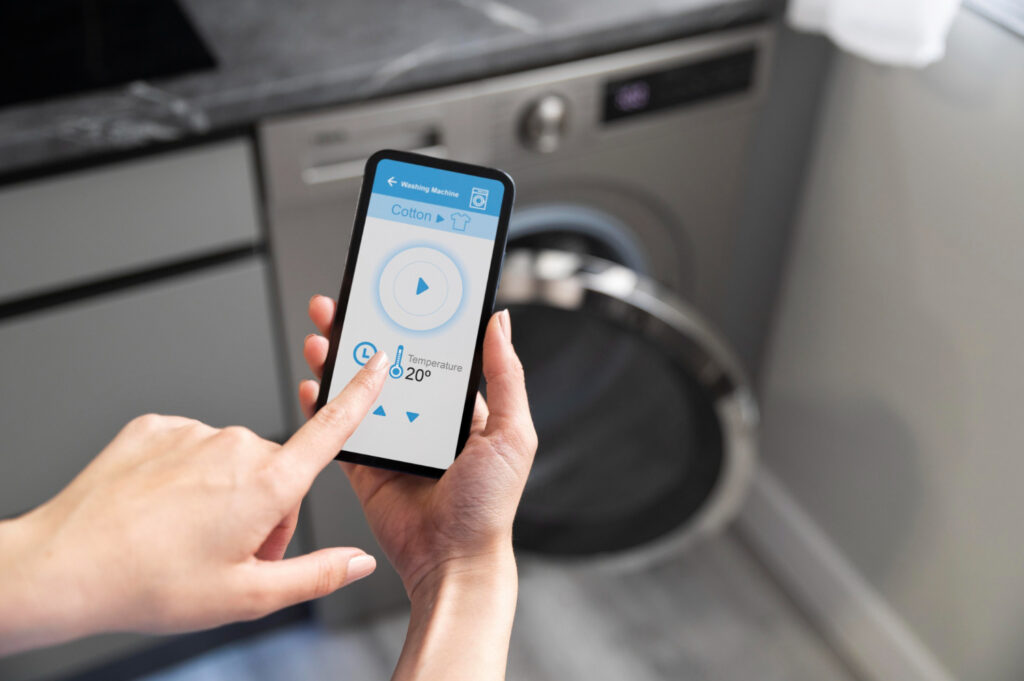
In a world that thrives on automation, personalization, and convenience, smart home technology has emerged as a transformative force across numerous aspects of our daily lives. From lighting and climate control to security and kitchen appliances, the smart home ecosystem is expanding rapidly. One area witnessing an impressive evolution is laundry. The integration of smart home technology with laundry services is reshaping how we manage chores, save energy, and enhance overall efficiency. As connected devices become more sophisticated, this synergy is not only changing consumer behavior but also opening new frontiers for innovation, especially for those exploring laundry app development and on demand app development.
What is Smart Home Laundry Integration?
Smart home laundry integration involves embedding Internet of Things (IoT) capabilities into washing machines, dryers, and laundry systems to enable remote control, automation, predictive maintenance, and energy optimization. These smart washers and dryers can be connected to home assistants like Amazon Alexa or Google Home, mobile apps, and even cloud services to allow users to monitor and control laundry cycles from anywhere.
Imagine receiving a phone notification that your laundry cycle has ended while you’re on a Zoom call. Or asking your smart speaker to start the dryer without leaving the couch. These are not futuristic scenarios but real-world examples of smart laundry management systems in action.
Evolution of Laundry Technology
Traditional laundry systems required manual operation and lacked flexibility. Over time, semi-automatic and fully automatic washing machines introduced a degree of convenience, but limitations persisted. The true transformation began with the emergence of smart washers and dryers embedded with sensors, machine learning algorithms, and wireless connectivity.
Today, smart laundry appliances feature:
- Auto-dosing of detergent
- Moisture and load sensors
- Energy consumption monitoring
- Smartphone control
- Remote diagnostics and predictive maintenance alerts
These advancements have not only enhanced user convenience but have also contributed to sustainability by optimizing resource consumption.
Features of Smart Laundry Systems
- Remote Control and Monitoring: Users can start, pause, or monitor laundry cycles from anywhere using a smartphone or tablet. This is made possible through dedicated mobile apps such as LG ThinQ, Samsung SmartThings, and Whirlpool’s laundry management system.
- Voice-Activated Controls: Integration with smart home hubs allows voice-activated commands like, “Hey Google, start the washer.”
- Cycle Customization: AI-driven platforms analyze load types and fabric conditions to optimize washing and drying programs.
- Energy and Water Efficiency: Real-time tracking of electricity and water usage enables homeowners to reduce utility costs.
- Maintenance Alerts: Smart devices send alerts for maintenance or if any part is malfunctioning, reducing downtime and repair costs.
- Laundry Scheduling: Some platforms allow scheduling cycles based on electricity tariffs, optimizing for off-peak hours to save money.
Benefits of Smart Home Laundry Integration
The primary benefit of smart laundry integration lies in its convenience. Households can manage laundry tasks efficiently without being tied to a machine. Remote monitoring ensures that you never forget a load in the washer again, and real-time alerts keep you informed about every stage of the process.
Another major advantage is cost-effectiveness. Energy-efficient cycles, predictive maintenance, and optimized detergent usage can result in significant savings over time. This is especially attractive for eco-conscious consumers.
From an accessibility standpoint, smart laundry systems cater to the elderly and people with disabilities, making it easier to handle everyday chores through voice commands and intuitive mobile interfaces.
Role of Mobile Apps and IoT in Laundry Automation
At the heart of this transformation are powerful mobile apps that function as command centers for smart laundry devices. From initiating wash cycles to choosing fabric-specific programs, mobile applications are essential to unlocking the potential of smart home laundry.
Companies specializing in laundry mobile app development are now creating platforms that offer seamless integration with IoT-enabled washers and dryers. These apps not only support real-time communication with appliances but also provide analytics, machine health reports, and even offer smart suggestions based on usage patterns.
Moreover, on demand app development is being used to connect customers with laundry pickup and delivery services that integrate smart home features. For example, a user can schedule a laundry pickup directly from their app, and the platform can coordinate with a smart locker or alert the customer through a connected home device when the clean clothes are returned.
Use Cases in Smart Laundry Integration
The following scenarios demonstrate the real-world applications of integrating smart home technology with laundry services:
- Remote Cycle Management: Users can start or stop laundry cycles while commuting, working, or running errands.
- Energy Optimization: Appliances adjust their operation to run during non-peak hours or based on dynamic electricity pricing.
- Elderly Assistance: Family members can monitor and assist elderly users remotely.
- Smart Laundry Lockers: In apartment buildings, smart lockers can notify users when clothes are ready for pickup.
- AI-Driven Recommendations: Machine learning models analyze past usage to recommend the most suitable cycles and detergent amounts.
Business Opportunities in Smart Laundry Integration
The convergence of smart home tech and laundry services has unlocked significant business potential. Entrepreneurs and service providers are recognizing this trend and investing in customized laundry app development to tap into a rapidly growing market.
Some emerging business models include:
- Subscription-Based Smart Laundry Services: Monthly plans offering laundry collection, cleaning, and return services integrated with smart scheduling and notifications.
- Smart Laundromats: Self-service laundromats equipped with IoT-enabled machines that customers can control via apps.
- Laundry Delivery App Development: Apps that allow users to schedule pickup and delivery of laundry with real-time tracking and integration with smart home alerts.
- White-Label Laundry Solutions: Startups offering white-label platforms for other laundry service providers to enter the smart service market.
Companies offering laundry app development services are focusing on building robust, scalable, and secure platforms that can support these diverse use cases. Integrating features such as geolocation tracking, push notifications, digital payments, and IoT device compatibility is now a standard practice.
Challenges in Smart Laundry Integration
Despite the benefits, smart laundry integration does face certain challenges:
- High Initial Cost: Smart appliances come at a premium, which can be a barrier for mass adoption.
- Data Privacy Concerns: As with all connected devices, data security and privacy are top concerns.
- Interoperability Issues: Ensuring seamless communication between devices from different manufacturers remains a hurdle.
- User Learning Curve: Users unfamiliar with technology may find it difficult to navigate complex apps and systems.
To overcome these issues, laundry app development companies are investing in user-centric design, intuitive interfaces, and robust cybersecurity protocols.
Future Trends in Smart Laundry Technology
Looking forward, we can expect even more advanced innovations in smart laundry services:
- AI-Powered Fabric Care Assistants: Apps that identify fabric types using cameras and recommend optimal wash settings.
- Integrated Clothing Inventory Systems: Smart closets that keep track of clothes and recommend what needs to be washed.
- Laundry Robots: Prototypes already exist for machines that can fold and organize laundry.
- Blockchain for Laundry Tracking: Transparent and tamper-proof systems for laundry pick-up and delivery verification.
- Green Laundry Solutions: Systems that use recycled water and renewable energy, driven by smart sensors and apps.
Conclusion
The integration of smart home technology with laundry services marks a new chapter in domestic automation. From remote cycle control and energy savings to AI-driven recommendations and smart lockers, the benefits are extensive and transformative. For businesses, this is an ideal time to invest in laundry app development, laundry delivery app development, and on demand app development tailored to this rapidly evolving landscape.
Whether you’re a tech-savvy homeowner looking to optimize your chores or an entrepreneur aiming to launch the next big thing in home services, smart laundry integration offers unmatched opportunities. The future is clean, connected, and completely automated.
- Listing ID: 50561
- Country: USA