
Indian Art Online: Discover India's Artistic Heritage Through Digital Collections
Painting / Posted 11 hours ago by Mehvish Ansari / 5 views / New
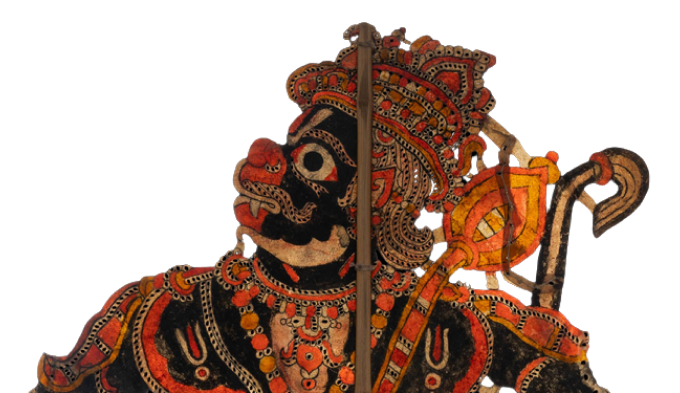
India has a rich artistic history shaped by centuries of creativity, cultural traditions, craftsmanship, and storytelling. From detailed miniature paintings and traditional textiles to contemporary photography and popular culture, Indian art represents the diversity of the country’s communities and artistic expressions.
With the development of digital platforms, discovering this artistic heritage has become easier than ever. People can now explore artworks, learn about historical objects, and understand different creative traditions without always having to visit a physical museum. The growing interest in Indian art online reflects how technology is creating new opportunities to connect people with India’s cultural and artistic legacy.
Understanding the Diversity of Indian Art
Indian art is not limited to paintings or sculptures. It includes a wide range of creative practices that have developed across different regions and generations.
Every artwork carries its own story, whether it represents religious beliefs, everyday life, traditional craftsmanship, historical events, or modern social experiences.
Some important forms of Indian artistic expression include:
1. Traditional and Pre-Modern Art
Traditional Indian art reflects the country’s historical and cultural development. Miniature paintings, illustrated manuscripts, sculptures, and religious artworks demonstrate the techniques and creative traditions that have been preserved across generations.
These works provide valuable insights into historical lifestyles, beliefs, architecture, and artistic practices.
2. Textiles, Craft and Design
Indian textiles and crafts are recognised for their intricate patterns, regional techniques, and skilled craftsmanship. Handwoven fabrics, embroidery, decorative objects, and traditional designs represent the creativity of different artisan communities.
Exploring these works helps audiences understand how materials, techniques, and cultural influences shape India’s craft heritage.
3. Photography and Visual Documentation
Photography offers a different way of understanding India’s history and society. Photographs capture people, architecture, landscapes, traditions, and important moments that contribute to the country’s visual memory.
Historical and contemporary photographs allow viewers to discover how India’s social and cultural environment has changed over time.
4. Modern and Contemporary Art
Modern and contemporary Indian art introduces new approaches to creativity. Artists experiment with materials, concepts, colours, and visual techniques to communicate their ideas.
These artworks often explore themes such as identity, society, personal experiences, and cultural transformation.
Exploring Indian Art Online Through Museum Collections
Digital museum collections have changed the way people discover and study artworks. Instead of depending entirely on physical exhibitions, audiences can explore digital catalogues that provide information about individual objects, artists, materials, and artistic periods.
The Museum of Art & Photography (MAP) in Bengaluru offers an excellent example of this approach through its online collection platform.
MAP is home to a growing collection of over 100,000 works of art, predominantly from South Asia, dating from the second century to the present.
Its collection is organised into different departments, including Living Traditions, Modern & Contemporary Art, Photography, Popular Culture, Pre-Modern Art, and Textiles, Craft & Design.
This organisation allows visitors to discover different artistic forms and explore the connections between historical and contemporary visual culture.
How Digital Art Collections Support Cultural Preservation
Preserving artistic heritage requires more than storing physical objects. It also involves documenting their history, recording important details, and making cultural knowledge accessible to future generations.
Digital collection platforms contribute to this process in several ways.
Preserving Historical Information: Digital records help document the background, materials, artists, and historical context of artworks.
Improving Accessibility: People from different cities and countries can discover collections without geographical limitations.
Supporting Research: Students, researchers, and art historians can use digital catalogues to explore artistic movements, cultural traditions, and historical objects.
Encouraging Education: Online resources introduce younger audiences to different forms of art and help develop an understanding of cultural heritage.
Connecting Generations: Digital documentation helps preserve knowledge about traditional artistic practices and makes it easier to share with future generations.
Why Exploring Indian Art Online Is Valuable for Students and Art Enthusiasts
Digital art collections offer meaningful learning opportunities for people interested in creativity, history, design, and photography.
Students can study different artistic styles and understand how visual expression has evolved across historical periods. Designers can discover traditional patterns, colours, and craft techniques for creative inspiration.
Art enthusiasts can explore unfamiliar artists, discover lesser-known artworks, and develop a deeper appreciation of India’s artistic diversity.
For researchers, digital collections can also serve as useful starting points for studying cultural objects and understanding their historical significance.
Discovering the Collection at the Museum of Art & Photography
The Museum of Art & Photography provides an opportunity to explore a wide range of South Asian visual culture through its collection viewing platform, Cumulus.
Visitors can browse artworks across different departments and discover special collections, including the Haveli Collection of Textiles, Jyoti Bhatt Photography, Textile Labels, Film Ephemera Collection, and Gandhi Collection.
The collection also features individual highlights such as paintings, photographs, textiles, and objects from popular culture. Each category introduces visitors to a different aspect of artistic history and creative expression.
For those interested in exploring the relationship between traditional art and contemporary visual culture, MAP’s collection offers an informative starting point.
The museum’s digital platform makes it possible to discover artworks and learn more about the stories, traditions, and creative ideas behind them.
Conclusion
Indian artistic heritage represents centuries of creativity, cultural knowledge, and craftsmanship. From traditional paintings and textiles to photography and contemporary artworks, every form contributes to a broader understanding of India’s visual identity.
Digital museum collections are making this heritage easier to discover by connecting audiences with artworks, historical information, and diverse artistic traditions.
The Museum of Art & Photography plays an important role in this process through its extensive collection and digital viewing platform. Exploring Indian art online allows students, researchers, designers, and art enthusiasts to develop a deeper appreciation of the country’s artistic legacy while discovering creative expressions from different periods and communities.
- Listing ID: 119744