
How Tokenized Rental Income Could Create New Models for Multifamily Property Owners
Businesses / Posted 1 day ago by suzie iris / 10 views / New
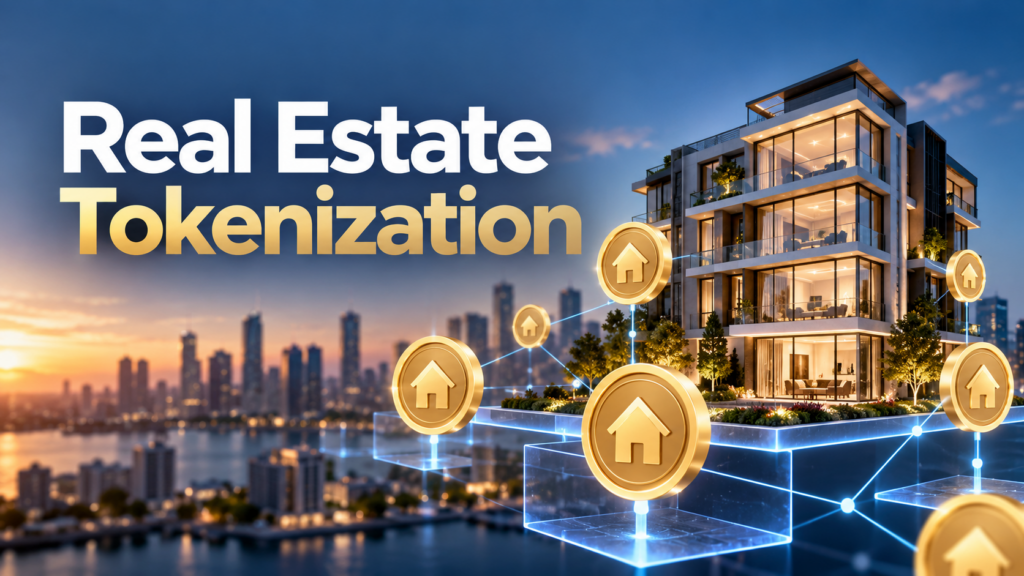
Multifamily properties, including apartment complexes, residential communities, and multi-unit rental buildings, generate recurring income through tenant rent payments. However, property owners often face challenges when raising capital, improving cash flow flexibility, and creating new opportunities for property investors without selling their entire assets. Tokenized rental income offers an alternative approach by representing eligible rights to rental revenue as digital tokens on a blockchain. Depending on the legal structure, these tokens may provide holders with contractual rights to a share of rental income generated by a property or portfolio. For multifamily property owners, this model could create new ways to structure property financing, distribute revenue, and engage investors. With appropriate legal agreements and technology, rental income tokenization may help owners explore capital-raising strategies while retaining control of their underlying real estate assets.
What Is Tokenized Rental Income?
Tokenized rental income involves converting eligible contractual rights to rental revenue into digital tokens recorded on a blockchain. These tokens represent defined economic rights rather than automatically granting direct ownership of the property. For example, an owner of a 200-unit apartment complex could establish a legally structured arrangement that allocates a portion of rental revenue to eligible token holders. The associated tokens would represent rights defined in the offering documents, including how distributions are calculated and when payments are made.
Smart contracts can support this process by automating certain activities, such as recording token ownership, calculating distribution amounts, and maintaining transaction records. However, actual payments still depend on available funds, property performance, legal obligations, and the payment infrastructure.
This approach creates opportunities to structure rental income participation separately from conventional property ownership.
How Tokenized Rental Income Works for Multifamily Properties
Implementing rental income tokenization requires a combination of property evaluation, legal structuring, blockchain technology, and income management.
1. Identify Eligible Rental Assets
Property owners first evaluate the buildings or portfolios suitable for tokenization. These could include apartment complexes, student housing, senior living communities, or professionally managed residential portfolios.
Important considerations include occupancy rates, lease agreements, rental income history, maintenance expenses, and outstanding debt.
2. Define the Rental Income Rights
The owner determines which portion of the rental income can be allocated to token holders. The arrangement could cover a percentage of eligible net rental income, revenue from a specific property, or cash flows generated by a portfolio.
The agreement should clearly explain operating expenses, reserve requirements, distribution schedules, and circumstances that could reduce or suspend payments.
3. Develop the Tokenization Platform
A real estate tokenization platform can support token issuance, investor onboarding, ownership records, compliance checks, and distribution management.
Depending on the business model, the platform may include:
-
Smart contracts for token issuance and transfer restrictions.
-
KYC and AML verification for eligible participants.
-
Investor dashboards displaying holdings and distribution records.
-
Automated calculations for contractual income allocations.
-
Administrative tools for managing properties and reporting financial activity.
4. Distribute Rental Income
Once rental income has been collected and applicable expenses and obligations have been accounted for, the owner or authorized administrator calculates distributions according to the contractual terms.
Smart contracts may automate calculations and initiate payment instructions, while the actual transfer of funds can occur through supported payment systems.
Five New Business Models for Multifamily Property Owners
Tokenized rental income could help property owners explore revenue and financing models beyond conventional rental operations.
1. Fractional Rental Income Participation
Property owners could offer eligible investors tokens representing contractual rights to a portion of rental income without necessarily transferring ownership of the underlying building.
For example, an apartment complex generating $1 million in annual net rental income could allocate a defined share to a tokenized revenue arrangement.
If 20% of that income were allocated to token holders, the arrangement would distribute $200,000 annually before any additional adjustments required by its terms.
This model could help owners access capital while separating rental revenue participation from direct property ownership. Actual distributions would depend on property performance and the contractual structure.
2. Portfolio-Based Rental Income Tokenization
Owners managing multiple apartment buildings could explore tokenizing income rights across an entire portfolio rather than structuring each property independently.
A portfolio might include residential buildings in different locations, each contributing rental revenue under a defined allocation methodology.
Potential advantages include:
-
Combining income streams from multiple properties.
-
Creating different participation structures for eligible investors.
-
Simplifying investor reporting through a unified platform.
-
Supporting portfolio-level capital planning.
However, diversification is not guaranteed. Portfolio performance will depend on property concentration, tenant demand, expenses, and the legal terms governing each asset.
3. Tokenized Revenue for Property Renovations
Multifamily owners frequently need capital for renovations, energy-efficiency upgrades, building improvements, and shared amenities.
A tokenized rental income arrangement could provide a financing alternative in which eligible participants receive contractual rights to a defined share of future rental revenue.
For instance, an owner planning to renovate an apartment complex could explore allocating a portion of future rental income toward an agreed financing arrangement.
This approach could help owners evaluate funding structures without automatically selling the property or issuing conventional ownership interests. Nevertheless, allocating future income creates obligations that must be assessed against vacancies, renovation costs, and existing lenders’ rights.
4. Performance-Based Rental Income Models
Tokenization could support arrangements in which distributions depend on clearly defined property performance measures.
For example, a multifamily property owner might establish different contractual participation terms based on occupancy thresholds, rental collections, or net operating income.
Such models could align income participation with the building’s operating performance. They would also require transparent calculations, reliable property-management data, and safeguards against inconsistent reporting.
Tokens themselves do not guarantee higher rental income or eliminate operating risk.
5. Secondary Transfers of Rental Income Tokens
Eligible token holders may want to transfer their interests before the underlying property is sold or the contractual arrangement expires.
A compliant tokenization platform could support permitted secondary transfers between eligible participants, subject to applicable securities laws, transfer restrictions, and any required approvals.
This may offer more flexibility than arrangements where participants have no transfer mechanism. However, tokenization does not guarantee liquidity. A functioning secondary market requires buyers, sellers, suitable infrastructure, and legal permission to complete transactions.
Key Benefits of Rental Income Tokenization
For multifamily property owners, tokenized rental income could provide several potential advantages when implemented through an appropriate legal and operational framework.
Access to alternative capital: Owners may be able to structure new financing opportunities around eligible rental revenue instead of relying exclusively on traditional lending or property sales.
Flexible financial structures: Rental income rights can be defined for individual buildings, selected portfolios, or specific financing arrangements.
Transparent ownership records: Blockchain records can help track token balances, transfers, and transaction histories.
More efficient distribution administration: Smart contracts and integrated financial systems can reduce manual work involved in calculating and documenting distributions.
Broader investor participation: Depending on applicable regulations, offering structures, and minimum investment requirements, tokenization may enable participation from a wider range of eligible investors.
Improved reporting: Digital dashboards can help property owners and participants review allocations, payment histories, and relevant performance information.
These benefits depend on implementation quality, regulatory compliance, data accuracy, and the underlying property’s financial performance.
Challenges Multifamily Owners Must Consider
Although rental income tokenization introduces new possibilities, property owners should evaluate several important challenges before launching a platform or offering.
Regulatory and Legal Compliance
Tokenized rental income rights may qualify as securities or other regulated financial interests, depending on their structure and jurisdiction. Owners must assess offering requirements, investor eligibility, disclosures, transfer restrictions, and relevant property laws.
Rental Income Volatility
Vacancies, tenant defaults, unexpected repairs, insurance costs, and market conditions can reduce available rental income. Token holders should not be promised guaranteed returns unless the arrangement genuinely supports the relevant obligations and complies with applicable law.
Smart Contract and Cybersecurity Risks
Errors in smart contracts, unauthorized access, and inadequate wallet security can create financial and operational risks. Independent security audits, access controls, and incident-response procedures are important safeguards.
Property Management and Financial Reporting
Reliable rental records, expense tracking, and property valuations are essential. Inaccurate or delayed information can undermine distribution calculations and investor confidence.
Existing Financing Agreements
Property mortgages, lender covenants, ownership agreements, and restrictions on assigning revenue rights may affect whether tokenization is possible. Owners should review these obligations before structuring an offering.
The Role of Real Estate Tokenization Development Companies
A real estate tokenization development company can help multifamily property owners design and implement the technology required to manage tokenized rental income.
Depending on the project’s scope, development services may include:
-
Custom real estate tokenization platform development.
-
Smart contract design and integration.
-
Investor onboarding and compliance workflows.
-
Rental income allocation and distribution modules.
-
Property portfolio management dashboards.
-
Blockchain-based transaction reporting.
-
Wallet integrations and permitted token-transfer functionality.
Property owners should select a development partner that understands both blockchain infrastructure and the operational requirements of real estate. Legal, tax, securities, and property specialists should work alongside the technology team to establish an appropriate structure.
Conclusion
Tokenized rental income could create new business models for multifamily property owners by separating eligible rental revenue rights from conventional property ownership. From fractional income participation and portfolio-based structures to renovation financing and performance-linked arrangements, the approach offers several possibilities for reshaping how residential rental assets support capital strategies.
However, successful implementation requires more than issuing digital tokens. Property owners must establish enforceable contractual rights, maintain reliable financial records, address regulatory obligations, and ensure that any promised distributions are supported by the underlying economics.
As real estate tokenization technology develops, multifamily owners may increasingly explore these models as part of a broader strategy for financing, managing, and structuring rental property portfolios.
- Listing ID: 115687