
Freight Forwarding Europe: A Complete Logistics Guide
Businesses / Posted 7 months ago by One Union Solutions / 136 views
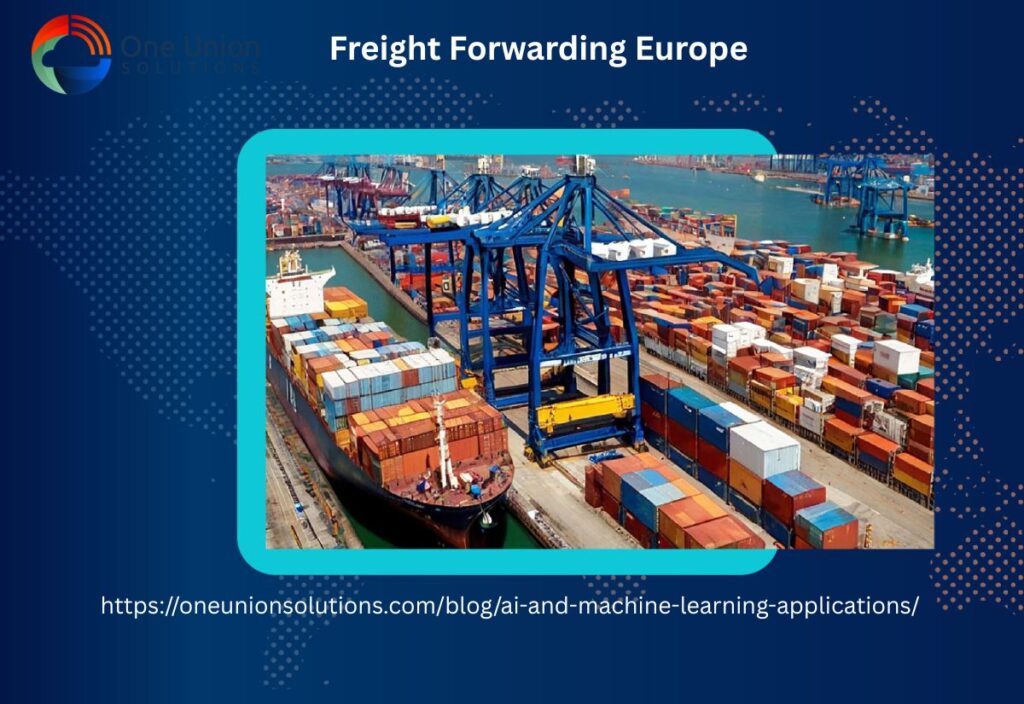
Europe is one of the most dynamic trade regions in the world, connecting global markets through advanced infrastructure, strong regulations, and highly integrated supply chains. At the center of this network is freight forwarding Europe, a system that allows businesses to move goods efficiently across borders while navigating customs, taxes, and regulations.
Whether you’re an exporter in Asia, a manufacturer in Africa, or an eCommerce brand in the U.S., understanding European freight forwarding can help you avoid delays, reduce costs, and improve customer satisfaction. In this guide, we’ll break down how it works, key processes, major challenges, and the solutions to problems of international trade that modern logistics providers offer.
What Is Freight Forwarding in Europe?
Freight forwarding is the coordination and shipment of goods from one place to another via air, sea, rail, or road. A freight forwarder acts as an intermediary between the shipper and various transportation services.
In Europe, this system is shaped by trade agreements like FTA (Free Trade Agreements) within the European Union, which simplifies cross-border trade between member countries.
A European freight forwarder typically manages:
-
Carrier selection (airlines, shipping lines, trucking)
-
Customs documentation and compliance
-
Warehousing systems and cargo handling
-
Insurance and risk management
-
Final delivery and last-mile logistics service
Key Elements of Freight Forwarding Europe
1. Customs and Compliance
One of the most important aspects is ensuring import customs clearance completed without delays. Each shipment requires accurate documentation, including:
-
Commercial invoices
-
Packing lists
-
Certificates of origin
-
The correct harmonized system code (HS Code)
Incorrect classification can lead to fines, shipment holds, or additional duties.
2. IOR Shipping and Regulatory Requirements
For businesses that don’t have a legal presence in Europe, IOR shipping (Importer of Record) services are essential. The IOR takes legal responsibility for ensuring goods comply with European import regulations, including VAT payments and documentation.
This is especially critical for sectors like:
-
Medical equipment
-
IT hardware
-
Telecom infrastructure
3. In Transit Definition and Shipment Tracking
In logistics, the in transit definition refers to goods that are currently being transported between origin and destination. In Europe, advanced digital tracking systems allow real-time monitoring, helping businesses plan inventory and delivery schedules more accurately.
4. Warehousing Systems and Distribution
Europe has some of the most advanced warehousing systems in the world, including automated storage, robotics, and smart inventory management.
Freight forwarders often provide:
-
Distribution hubs in key ports (Rotterdam, Hamburg, Antwerp)
-
Temperature-controlled storage for pharmaceuticals and food
5. DDP vs DAP Shipping Terms
Choosing between DDP vs DAP (Incoterms) is critical:
-
DDP (Delivered Duty Paid): Seller pays all duties, taxes, and delivery costs.
-
DAP (Delivered at Place): Buyer is responsible for import duties and taxes.
In Europe, many businesses prefer DDP for smoother customer experience, especially in international ecommerce shipping.
Major Modes of Freight Transport in Europe
Road Freight
Europe’s extensive highway network makes trucking the most common mode for intra-European deliveries.
Rail Freight
Rail is growing as a sustainable option, especially for long-distance cargo across Central and Eastern Europe.
Air Freight
Used for high-value, time-sensitive shipments such as electronics and pharmaceuticals.
Sea Freight
Major ports like Rotterdam and Antwerp serve as global gateways for imports and exports.
The Role of Logistics Solutions in International Trade
Modern logistics providers don’t just move goods—they provide logistics solutions that solve complex supply chain challenges.
These include:
-
Cross-border tax optimization
-
Real-time cargo visibility
-
Reverse logistics for returns
-
Multimodal shipping strategies
Organizations aligned with global trade standards, such as the World Trade Organization, ensure that European freight forwarding operates under internationally accepted rules.
Challenges in Freight Forwarding Europe
Despite its efficiency, European logistics comes with challenges:
-
Complex regulations across different countries
-
Language and documentation differences
-
High compliance standards
-
Customs delays due to incorrect paperwork
-
Supply chain disruptions (e.g., port congestion, strikes)
Solutions to Problems of International Trade
Leading freight forwarders like One Union Solutions address these challenges with tailored services:
-
End-to-end logistics service management
-
IOR/EOR (Exporter of Record) support
-
Compliance and documentation handling
-
Flexible warehousing and distribution networks
-
Specialized support for international ecommerce shipping
These solutions allow businesses to expand into Europe without needing a physical presence.
Case Example: eCommerce Expansion into Europe
A U.S.-based electronics brand wanted to sell directly to customers in Germany and France. Their challenges included VAT registration, customs clearance, and last-mile delivery.
By partnering with a freight forwarding provider:
-
They used DDP shipping to simplify customer experience
-
Leveraged regional warehousing systems for faster delivery
-
Ensured import customs clearance completed without delays
The result?
Delivery times reduced by 40%, and customer satisfaction increased significantly.
Why Freight Forwarding Europe Matters for Global Business
Europe accounts for a significant share of global trade. Efficient freight forwarding ensures:
-
Faster market entry
-
Lower operational risks
-
Compliance with strict EU regulations
-
Improved customer satisfaction
Whether you are shipping industrial equipment, pharmaceuticals, or consumer goods, having a strong European logistics partner is essential.
Conclusion
Freight forwarding Europe is far more than moving cargo—it’s about building efficient, compliant, and scalable supply chains across one of the world’s most important trade regions.
From understanding FTA benefits and managing IOR shipping, to optimizing DDP vs DAP and leveraging modern warehousing systems, businesses that invest in the right logistics strategy gain a competitive edge.
With expert providers like One Union Solutions, companies can overcome the complexities of European trade and unlock new growth opportunities across the continent.
- Listing ID: 79662
- Country: USA
- City: Addisleigh Park