
Exploring Sri Lanka's Spice Gardens and Traditional Spice Production
Businesses / Posted 18 hours ago by Eservices Network / 6 views / New
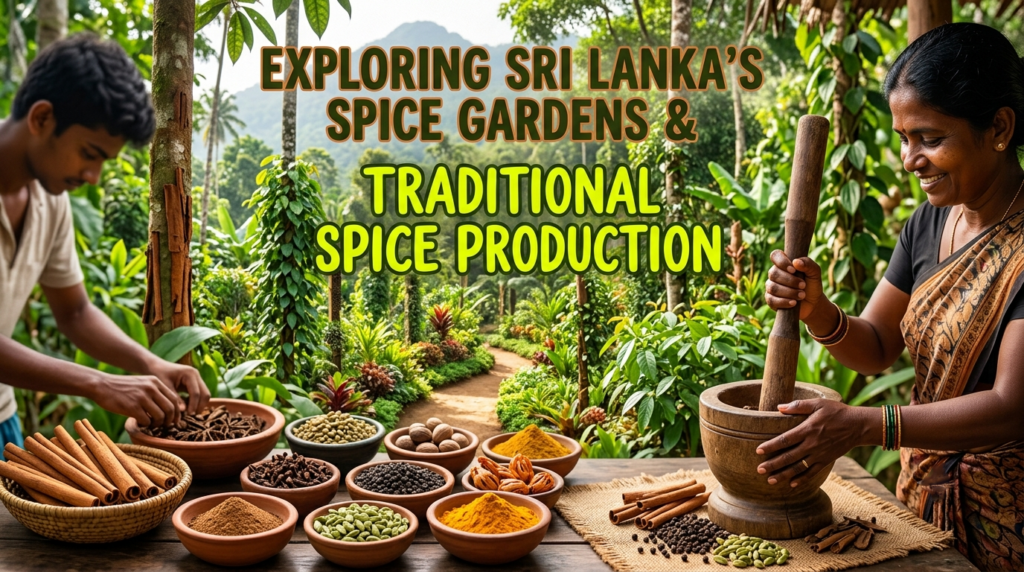
Sri Lanka is well known for its fragrant spices, traditional cooking methods, and rich agricultural heritage. Spice gardens across the island offer visitors an opportunity to learn how cinnamon, pepper, cardamom, cloves, and nutmeg are grown and processed. These gardens provide a closer look at the connection between local farming, traditional medicine, and Sri Lankan cuisine. For travellers interested in culture and food, visiting a spice garden can be a memorable part of their trip.
Popular Spice Gardens to Visit in Sri Lanka
The central region of Sri Lanka, particularly around Matale and Kandy, is known for its spice gardens. Matale is one of the most popular places to learn about spice cultivation. Visitors can walk through plantations, see different spice plants, and understand how farmers care for them. Guides often explain the uses of spices in cooking, traditional remedies, and everyday household products.
Kandy is another excellent destination for visitors interested in Sri Lanka’s agricultural traditions. Some gardens near the city offer guided tours where travellers can learn about cinnamon, pepper, vanilla, and cardamom. These visits provide a practical understanding of how tropical weather and fertile soil support spice cultivation.
Traditional Methods of Spice Production
Spice production in Sri Lanka often involves careful work and knowledge passed down through generations. Cinnamon is one of the country’s most recognised spices. Skilled workers peel the inner bark from cinnamon branches, remove the outer layer, and prepare the bark into thin rolls for drying. The process requires patience and experience to maintain the quality of the final product.
Pepper production follows a different method. Peppercorns grow in clusters on climbing vines and are harvested when they reach the appropriate stage of maturity. They are then dried to produce the familiar black pepper used in kitchens worldwide. Cardamom pods, cloves, and nutmeg also require specific harvesting and drying techniques to preserve their aroma and flavour.
Many spice gardens explain these methods during guided visits. Travellers can observe demonstrations, ask questions, and purchase locally produced spices as souvenirs. Buying directly from growers can also help visitors understand the effort involved in producing these everyday ingredients.
Understanding the Cultural Importance of Spices
Spices play an important role in Sri Lankan food and traditional practices. Cinnamon adds a distinctive fragrance to many dishes, while pepper and cloves provide warmth and flavour. Cardamom is commonly used in sweets and beverages, and nutmeg appears in selected recipes.
Some gardens also introduce visitors to traditional herbal preparations that use locally grown plants and spices. These demonstrations offer insight into long-standing cultural practices, although traditional remedies should not be treated as substitutes for medical advice.
A spice garden visit can be combined with a trip to a local market, cooking demonstration, or traditional Sri Lankan meal. This gives travellers a better understanding of how spices move from farms to kitchens.
Travel Preparation for Visiting Spice Gardens
Before travelling, international visitors should check the entry requirements that apply to their nationality and travel purpose. Completing the Sri Lanka eVisa or relevant travel authorisation process, where applicable, is an important part of preparing for the journey. Travellers researching ETA Sri Lanka Visa Apply should check the current application procedure and eligibility conditions before submitting their details.
It is also helpful to review the applicable Sri Lanka Visa Fees in advance, as charges may vary according to nationality, visa category, and application arrangements. Travellers should confirm the latest requirements through the relevant government immigration website rather than relying on outdated information.
Checking the local calendar for a Sri Lanka Public Holiday can also help when arranging visits to spice gardens, markets, and nearby attractions. Opening hours may change during holidays, so confirming tour availability before travelling is recommended.
Best Time to Visit Spice Gardens
Spice gardens can be visited throughout the year, although weather conditions may affect walking tours and outdoor demonstrations. Comfortable footwear, light clothing, and drinking water can make the visit easier. Travellers should also ask permission before photographing workers or private farming areas.
A visit to Sri Lanka’s spice gardens offers more than a chance to see tropical plants. It introduces visitors to traditional farming skills, local flavours, and the cultural importance of spices that have been part of Sri Lankan life for generations.
- Listing ID: 114752
- Country: USA