
Digital Trends in 2026: Transforming the Future of Technology and Everyday Life
Businesses / Posted 14 hours ago by Aizel james / 8 views / New
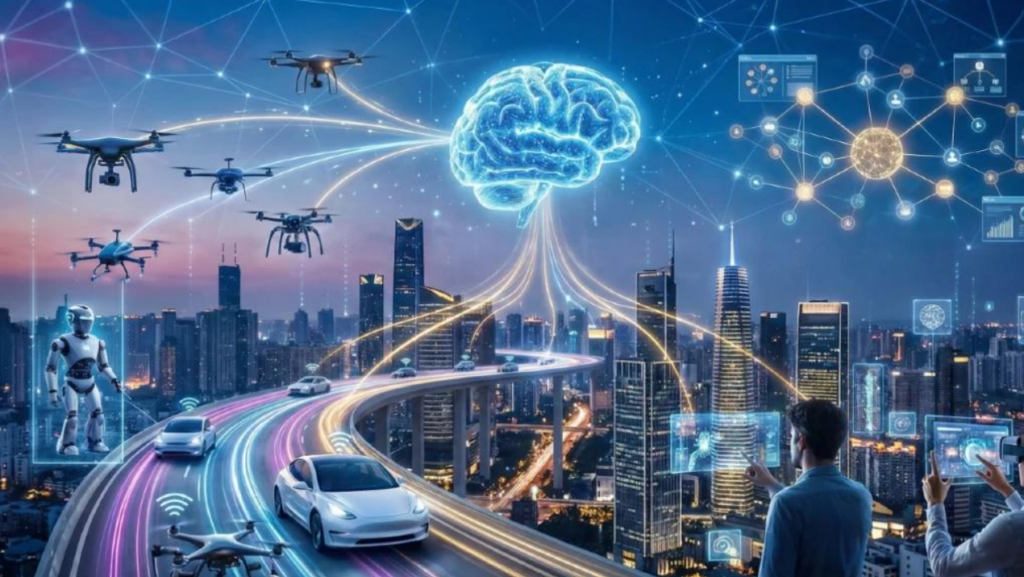
The digital world is evolving faster than ever before. Technology has become an essential part of our everyday lives, changing how people communicate, work, learn, shop, and do business. From artificial intelligence and automation to social media, cloud computing, and cybersecurity, digital trends are shaping the future of individuals and organizations worldwide.
Softscr recognizes the importance of keeping up with these digital developments and understanding how modern technology creates new opportunities for businesses and individuals.
In 2026, businesses and individuals are increasingly adopting new technologies to improve productivity, create better experiences, and stay connected in an increasingly competitive digital environment. Understanding these trends is important for anyone who wants to keep up with modern developments and take advantage of new opportunities.
1. Artificial Intelligence (AI) and Automation
Artificial intelligence is one of the most influential digital trends of 2026. AI-powered tools are transforming industries by helping businesses automate tasks, analyze information, and make faster decisions.
AI is now widely used in:
-
Customer service chatbots.
-
Content creation and digital marketing.
-
Healthcare research and administration.
-
Data analysis and business operations.
-
Personalized shopping recommendations.
Automation also helps organizations reduce repetitive work and improve efficiency. As AI continues to develop, it is expected to create new career opportunities while changing traditional job roles.
2. Social Media and Digital Marketing
Social media platforms have become powerful tools for communication, entertainment, and business promotion. Platforms such as Instagram, TikTok, Facebook, YouTube, and LinkedIn allow brands to connect directly with audiences.
Some important digital marketing trends include:
-
Short-form video content.
-
Influencer marketing.
-
AI-powered advertising.
-
Personalized content.
-
Social commerce and online shopping.
Businesses are increasingly using social media strategies to build brand awareness, attract customers, and increase sales. Engaging content and authentic communication are becoming especially important for successful online marketing.
3. E-Commerce and Online Shopping
Online shopping has changed the way consumers purchase products and services. E-commerce platforms allow customers to browse products, compare prices, and make purchases without visiting physical stores.
Modern e-commerce is becoming more advanced through:
-
Mobile shopping applications.
-
Digital payment systems.
-
AI-based product recommendations.
-
Faster delivery services.
-
Personalized shopping experiences.
Small businesses can also reach international customers through online marketplaces and their own websites. This creates new opportunities for entrepreneurs and startups.
4. Cybersecurity and Data Privacy
As more personal and business information moves online, cybersecurity has become increasingly important. Cyberattacks, identity theft, phishing, and data breaches are serious challenges for internet users.
Organizations are investing in stronger security systems to protect sensitive information.
Important cybersecurity practices include:
-
Using strong and unique passwords.
-
Enabling two-factor authentication.
-
Avoiding suspicious links and emails.
-
Updating software regularly.
-
Protecting personal and financial information.
Digital safety is no longer optional. Every internet user needs to understand the importance of protecting their online identity and information.
5. Cloud Computing and Remote Work
Cloud computing allows people and businesses to store, manage, and access information through the internet. It reduces the need for expensive physical infrastructure and makes collaboration easier.
Remote work has also become an important part of modern business culture. Employees can communicate, attend meetings, and complete projects from different locations using digital tools.
Popular cloud-based solutions include online storage, virtual meetings, project management platforms, and collaborative document editing.
These technologies help businesses become more flexible, productive, and connected.
6. The Growth of Digital Payments and Fintech
Financial technology, commonly known as fintech, is transforming how people manage and transfer money. Digital wallets, mobile banking, online transactions, and contactless payments are making financial services more accessible.
In countries such as Pakistan, digital payment services are helping people and businesses move toward cashless transactions.
The major benefits include:
-
Faster financial transactions.
-
Convenient mobile banking.
-
Easier online shopping.
-
Improved access to financial services.
-
Better transaction tracking.
As digital financial services expand, security and consumer awareness will remain essential.
7. Virtual Reality and Augmented Reality
Virtual Reality (VR) and Augmented Reality (AR) are creating new ways for people to experience digital content.
VR provides immersive digital environments, while AR adds digital elements to the real world.
These technologies are being used in education, gaming, healthcare, shopping, and professional training.
For example, students can explore virtual learning environments, while customers can use AR applications to preview furniture or products before purchasing them.
8. The Importance of Digital Skills
As technology continues to evolve, digital skills are becoming essential for professional growth. Employers increasingly value people who can work with modern digital tools and adapt to technological changes.
Some valuable digital skills include:
-
Computer and internet literacy.
-
Graphic design and video editing.
-
Digital marketing and SEO.
-
Programming and web development.
-
Data analysis.
-
Artificial intelligence literacy.
-
Cybersecurity awareness.
Learning these skills can help students, freelancers, entrepreneurs, and professionals explore new career opportunities.
Challenges of Digital Transformation
Although digital technology offers many benefits, it also creates certain challenges. These include privacy concerns, cybercrime, misinformation, technology dependence, and unequal access to digital resources.
Another important concern is the impact of automation on traditional employment. Workers may need to develop new skills to remain competitive in changing industries.
Governments, educational institutions, and businesses must work together to encourage responsible technology use and improve digital literacy.
Conclusion
Digital trends are transforming almost every aspect of modern life. Artificial intelligence, social media, e-commerce, cybersecurity, cloud computing, digital payments, and virtual reality are creating new possibilities for individuals and businesses.
As we move further into 2026, staying informed about technological developments and continuously improving digital skills will be essential. People and organizations that embrace innovation, adapt to change, and use technology responsibly will be better prepared for the future.
The digital future is not just about technology; it is about how we use technology to create opportunities, solve problems, and improve our lives.
- Listing ID: 119971
- Country: USA
- City: Lahore