Boost Productivity and Accountability with Remote Employee Monitoring Software
Businesses / Posted 4 months ago by Office Punch / 50 views
The shift to remote work has transformed the way businesses operate. While it offers flexibility and access to a global talent pool, it also introduces challenges in managing productivity, tracking progress, and ensuring accountability. This is where Remote Employee Monitoring Software becomes essential for modern organizations.
With the right tools, managers can maintain visibility over their teams, streamline workflows, and ensure tasks are completed efficiently—without micromanaging. Using reliable employee remote monitoring software allows businesses to balance trust with oversight, creating an environment where employees can thrive while management maintains control over key operations.
Understanding Remote Employee Monitoring Software and Its Importance
Remote Employee Monitoring Software is designed to track employee activity, work hours, and productivity when teams are working outside a traditional office. Unlike traditional supervision, this software provides insights into work patterns, project progress, and time management, all while respecting employee privacy.
Why it matters:
- Accountability: Employees are aware that their work is tracked, promoting responsibility.
- Productivity Optimization: Managers can identify workflow bottlenecks and areas for improvement.
- Time Management: Accurate tracking ensures that work hours are recorded properly, which is especially critical for remote and hybrid teams.
- Client Billing: For service-based companies, software to monitor remote employees ensures accurate billing and project cost estimation.
In a remote work environment, visibility is key. Without monitoring software, managers risk missing delays, inefficiencies, or misallocated resources that could affect business outcomes.
Key Benefits of Using Remote Employee Monitoring Software
Implementing employee remote monitoring software offers tangible advantages for both employers and employees:
1. Enhanced Productivity
By analyzing work patterns and identifying which tasks consume the most time, managers can streamline workflows and reduce wasted effort. Employees also gain insights into how they spend their day, encouraging more efficient work habits.
2. Accurate Time Tracking
Remote monitoring software ensures precise recording of work hours, eliminating discrepancies in payroll and timesheets. This accuracy is especially important for hourly employees or teams working across multiple time zones.
3. Improved Project Management
Monitoring software provides managers with real-time data on project progress. This allows proactive decision-making, ensuring deadlines are met, resources are allocated effectively, and teams remain aligned.
4. Better Resource Allocation
Data from monitoring software highlights which employees or teams are underutilized or overextended. Managers can redistribute tasks accordingly, optimizing workload and preventing burnout.
5. Remote Work Transparency
Transparency builds trust in remote teams. Employees understand expectations and can receive feedback based on accurate data rather than assumptions. This helps maintain engagement and morale, even from a distance.
Practical Tips for Implementing Remote Employee Monitoring Software
Maximizing the effectiveness of monitoring software requires a thoughtful approach. Here are expert tips for integrating it seamlessly:
1. Choose the Right Platform
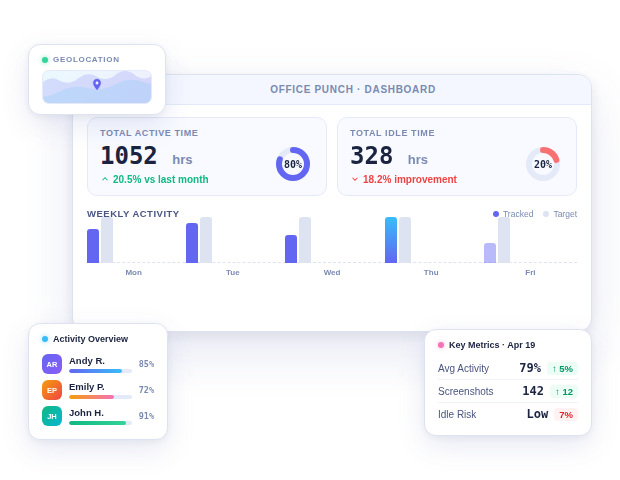
Select software that offers features such as activity tracking, timesheet management, and project reporting. Platforms like Office Punch provide user-friendly dashboards and customizable reporting, making management simple and efficient.
2. Set Clear Policies and Expectations
Employees should understand what is being monitored, how data is used, and why monitoring is implemented. Transparency fosters trust and ensures compliance.
3. Focus on Insights, Not Surveillance
The goal of monitoring is productivity improvement, not micromanagement. Use the data to identify workflow issues, recognize high performers, and support employees in areas where they may struggle.
4. Customize Reports for Your Needs
Effective monitoring software allows managers to generate reports tailored to teams, projects, or individual performance. Customization ensures that insights are actionable and relevant.
5. Train Employees and Managers
Provide training to both employees and managers on using the software. This ensures proper adoption, accurate data collection, and productive use of insights.
6. Maintain Balance
Monitoring should not feel intrusive. Respect employees’ privacy by tracking work-related metrics only and avoid excessive oversight that may impact morale.
Overcoming Challenges in Remote Employee Monitoring
Even with the right tools, monitoring remote teams can present challenges. Understanding these obstacles ensures smoother implementation:
- Employee Resistance: Some team members may perceive monitoring as distrust. Solution: Emphasize transparency and the productivity-enhancing benefits rather than surveillance.
- Data Overload: Monitoring software can generate massive amounts of information. Solution: Focus on key metrics that drive decision-making and use dashboards to simplify analysis.
- Integration Issues: Software must work seamlessly with existing tools. Solution: Choose platforms that integrate with payroll, project management, and HR systems to streamline processes.
Addressing these challenges proactively ensures monitoring software enhances productivity without creating friction in remote teams.
Why Choosing the Right Remote Employee Monitoring Software Matters
Not all monitoring solutions are equally effective. Selecting the right platform impacts data reliability, usability, and overall adoption. Look for software that provides:
- Automated Activity Tracking: Reduces manual input and increases accuracy.
- Customizable Reporting: Allows managers to focus on the most important metrics.
- User-Friendly Interface: Ensures employees can use the system efficiently without frustration.
- Integration Capabilities: Works with payroll, project management, and communication tools.
- Security and Compliance: Protects sensitive employee and business information.
A robust solution like Office Punch offers these features while supporting businesses in monitoring remote teams effectively, making it easier to manage productivity, accountability, and engagement.
Maximizing the Value of Remote Employee Monitoring Software
To fully leverage monitoring software, follow these best practices:
- Regularly Review Reports: Use insights to guide workflow improvements and recognize high performers.
- Set Clear Productivity Goals: Align software metrics with business objectives to ensure monitoring supports meaningful outcomes.
- Encourage Feedback: Involve employees in refining monitoring practices to balance oversight with trust.
- Track Trends Over Time: Analyze patterns to identify long-term productivity improvements or potential issues.
By using monitoring software strategically, businesses can enhance productivity, reduce inefficiencies, and create a balanced work environment where employees feel supported rather than scrutinized.
Conclusion
Remote Employee Monitoring Software is more than a management tool—it’s a strategic asset for businesses navigating the complexities of remote work. From improving productivity and workflow transparency to ensuring accurate payroll and resource allocation, this software empowers organizations to make data-driven decisions while fostering accountability and engagement.
For businesses seeking a reliable, user-friendly, and feature-rich solution, visiting Office Punch is an ideal first step. Their platform provides advanced tools to monitor remote employees, generate actionable insights, and streamline team management. Take control of your remote workforce, optimize performance, and maintain productivity—without sacrificing trust or employee satisfaction.
- Listing ID: 89317
- Country: Canada
- City: north york