
Accessory Building Construction: A Complete Guide to Creating Functional and Valuable Spaces
Businesses / Posted 3 months ago by TriCore Construction LLC / 85 views
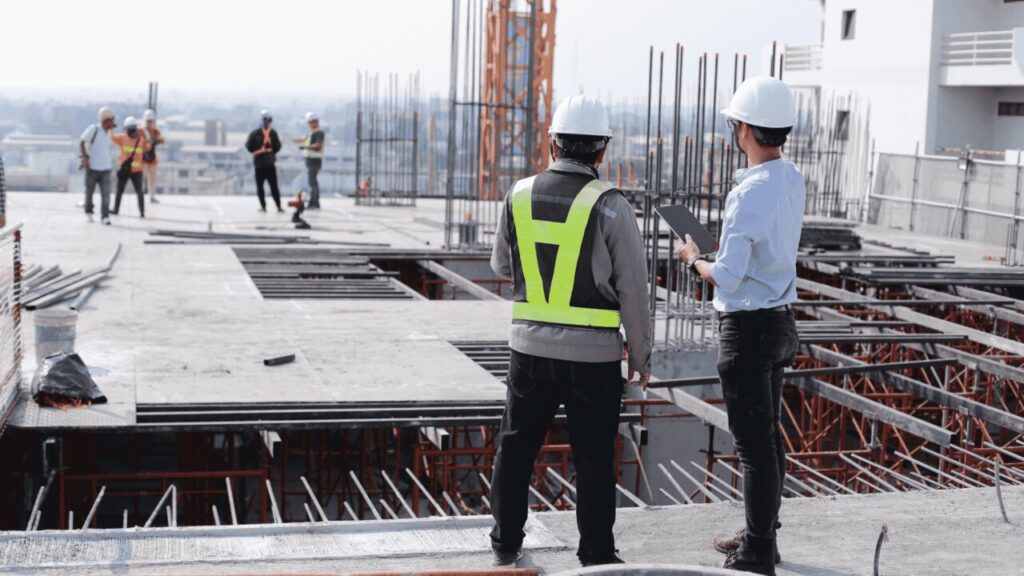
Accessory building construction has become an increasingly popular solution for homeowners and property owners who want to maximize the potential of their land. Whether used as a home office, guest suite, workshop, storage area, garage, studio, or recreational space, accessory buildings provide flexibility and added value without requiring major changes to the primary structure. As modern lifestyles evolve, these additional structures are becoming an important part of residential and commercial property planning.
An accessory building is a secondary structure located on the same property as a main building. Unlike a traditional home addition, an accessory building is constructed separately while serving a supportive purpose. The design, size, and function of these buildings can vary widely depending on the owner’s needs, available space, budget, and local regulations.
Understanding Accessory Building Construction
Accessory building construction involves several important steps, including planning, design, obtaining approvals, selecting materials, and completing the building process. A successful project requires careful preparation to ensure the structure is safe, durable, and suitable for its intended use.
The first stage is identifying the purpose of the building. A property owner planning a detached garage will have different requirements compared to someone creating a backyard office or guest accommodation. The intended function influences everything from the building layout and foundation requirements to electrical systems, insulation, plumbing, and interior finishes.
Professional planning is essential because accessory buildings must comply with local building codes and zoning regulations. These rules often determine factors such as maximum building size, placement on the property, height limitations, and required setbacks from property lines.
Benefits of Building an Accessory Structure
One of the biggest advantages of accessory building construction is the ability to add usable space without expanding the main building. Many homeowners need additional room but do not want the disruption and cost associated with a large home renovation. A separate structure can provide a practical alternative.
Accessory buildings can also increase property value. A well-designed and professionally constructed building adds functionality that can attract future buyers. Features such as a modern workshop, private office, guest apartment, or finished garage can make a property more appealing in a competitive real estate market.
Another benefit is customization. Owners have the opportunity to design a space specifically around their needs. For example, remote workers can create quiet offices away from household distractions, while hobbyists can build dedicated areas for crafts, equipment, or creative projects.
Planning and Design Considerations
Good design is the foundation of successful accessory building construction. Before beginning the project, it is important to consider how the structure will fit within the existing property. The building should complement the main structure while improving the overall appearance and usability of the space.
Location is a major factor during the planning process. The placement of an accessory building affects accessibility, privacy, sunlight exposure, drainage, and landscaping. A poorly positioned structure may create practical issues, while a carefully planned location can enhance the property’s functionality.
The size of the building should also match its purpose. Constructing a structure that is too small may limit future use, while building an unnecessarily large space can increase costs. A thoughtful design balances current needs with possible future requirements.
Material selection is another important consideration. Common materials include wood, steel, concrete, and composite products. The right choice depends on factors such as climate, maintenance expectations, budget, and desired appearance. Durable materials can help extend the lifespan of the building and reduce long-term repair costs.
The Construction Process
Professional accessory building construction process typically begins with site preparation. This may include clearing the area, leveling the ground, improving drainage, and preparing the foundation. A strong foundation is critical because it supports the entire structure and helps prevent future structural problems.
Once the foundation is complete, the framing stage begins. Builders construct the walls, roof system, and structural components according to the approved design plans. During this stage, attention to accuracy and quality is essential to ensure the building remains stable and secure.
After framing, professionals install necessary systems such as electrical wiring, insulation, plumbing, and ventilation if required. These features depend on how the building will be used. A simple storage building may require minimal utilities, while a guest suite or office may need complete residential-style systems.
The final stage includes exterior finishes, interior improvements, painting, flooring, and landscaping. Quality workmanship during these finishing stages helps create a comfortable, attractive, and long-lasting accessory building.
Common Uses for Accessory Buildings
Accessory buildings serve many different purposes, making them valuable additions to residential properties. Some common uses include:
- Home offices for remote work and business activities
- Guest rooms or private living spaces
- Garages for vehicle storage and maintenance
- Workshops for professional or personal projects
- Studios for art, music, or photography
- Storage areas for seasonal items and equipment
- Fitness rooms or recreational spaces
As families’ needs change over time, an accessory building can adapt to different functions. A workspace today could become a hobby room, guest area, or rental space in the future.
Choosing the Right Construction Professionals
Selecting experienced professionals is one of the most important decisions in any accessory building construction project. Skilled builders understand local requirements, recommend appropriate materials, and help avoid costly mistakes.
Before hiring a contractor, property owners should review previous projects, verify experience, and discuss timelines and budgets clearly. A reliable construction team should provide detailed plans, transparent pricing, and consistent communication throughout the project.
Working with professionals also ensures that safety standards are followed. Proper construction techniques, quality materials, and compliance with regulations contribute to a building that remains functional and secure for many years.
Cost Factors in Accessory Building Construction
The cost of an accessory building depends on various factors, including size, design complexity, materials, location, and included features. A basic storage structure will generally require a smaller investment than a fully equipped living space with plumbing, heating, and electrical systems.
Budget planning should include not only construction expenses but also permits, site preparation, utility connections, and potential maintenance costs. Creating a realistic budget from the beginning helps prevent unexpected financial challenges during the project.
Although accessory building construction requires an upfront investment, the added functionality and potential increase in property value can make it a worthwhile improvement.
Conclusion
Accessory building construction service offers property owners an effective way to create additional space, improve functionality, and enhance property value. From planning and design to material selection and professional installation, every stage plays an important role in achieving a successful result. Whether the goal is creating a workspace, storage solution, guest area, or personal retreat, a well-built accessory structure can provide lasting benefits. With careful planning and the support of experienced professionals, an accessory building can become a valuable extension of any property.
- Listing ID: 100148
- Country: USA